

By using our website, you agree to the use of cookies as described in our Cookie Policy
Meet Chef Cameron Dunlap
How a visit to Cordova reshaped Cameron's understanding of Copper River salmon
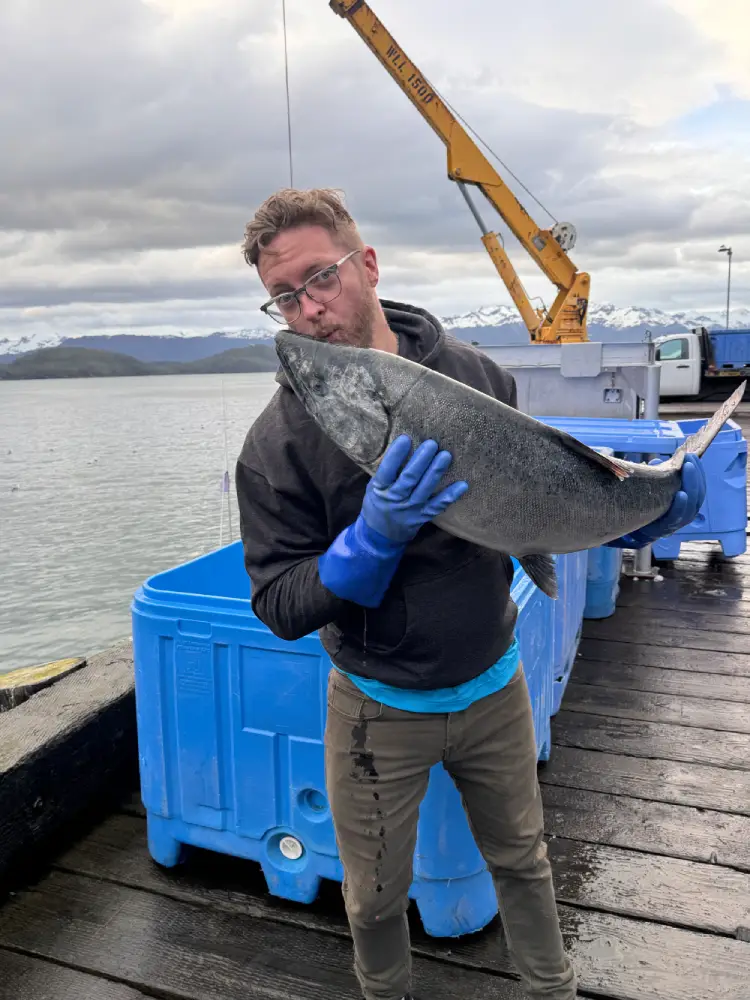
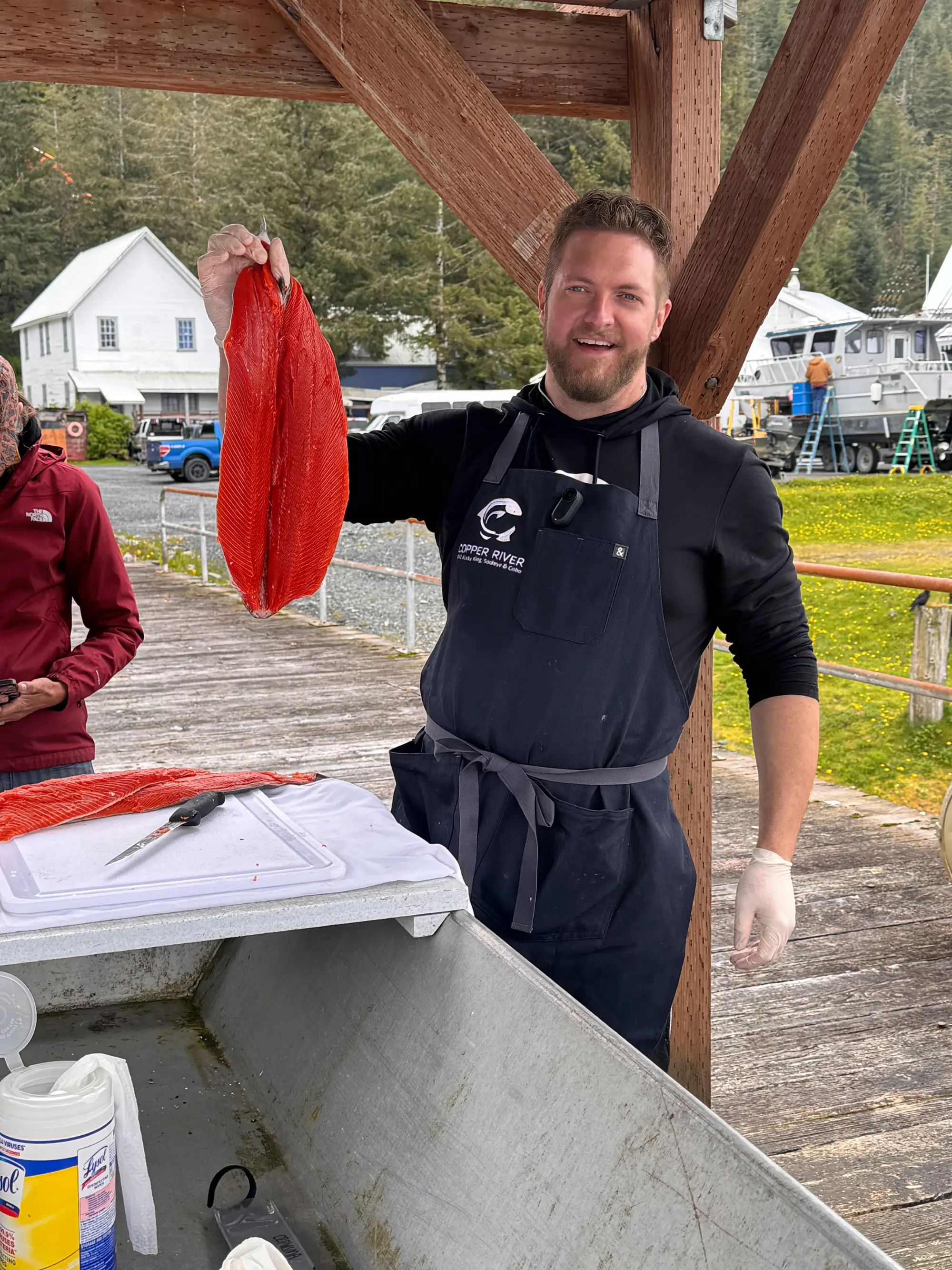
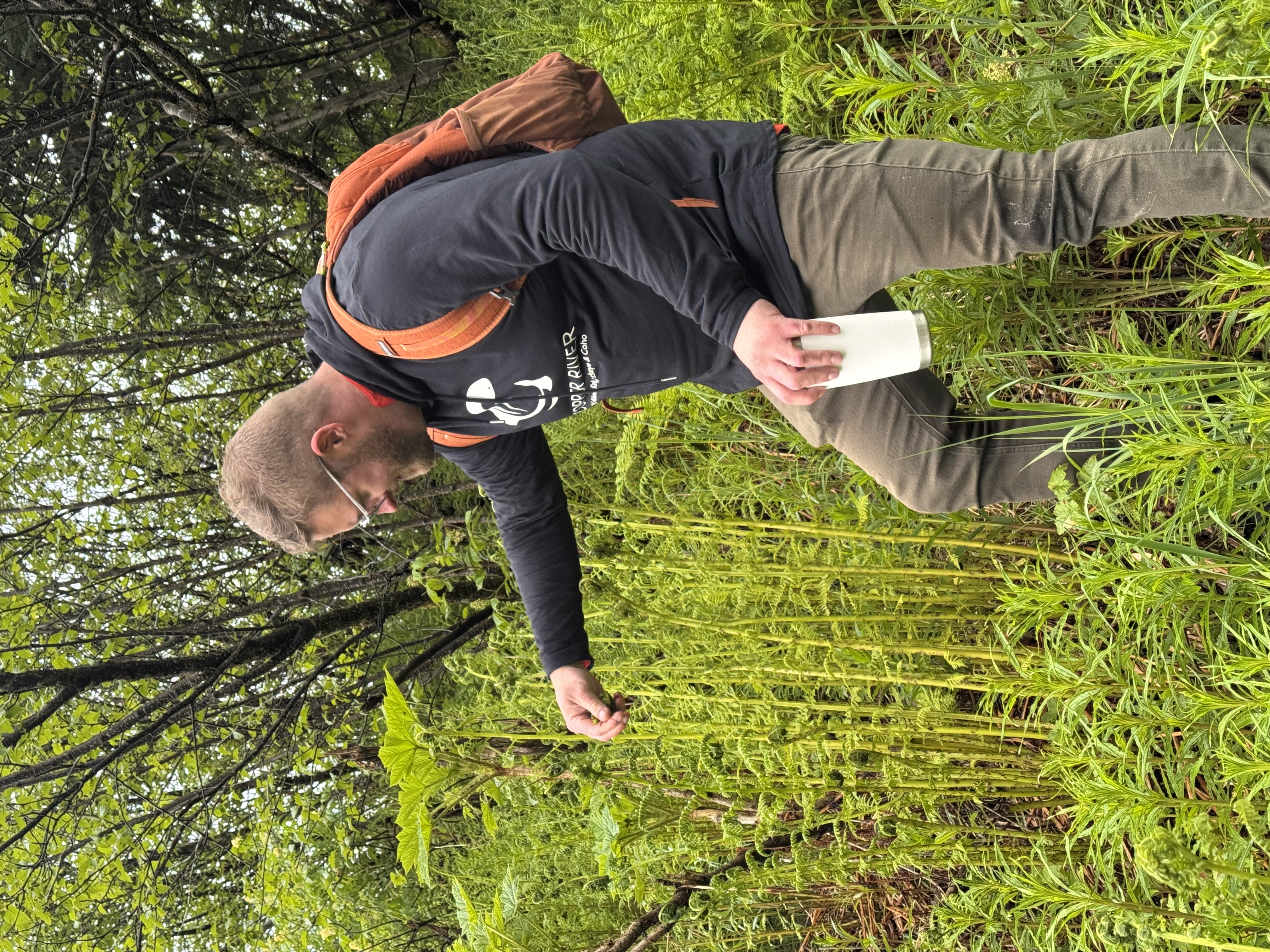
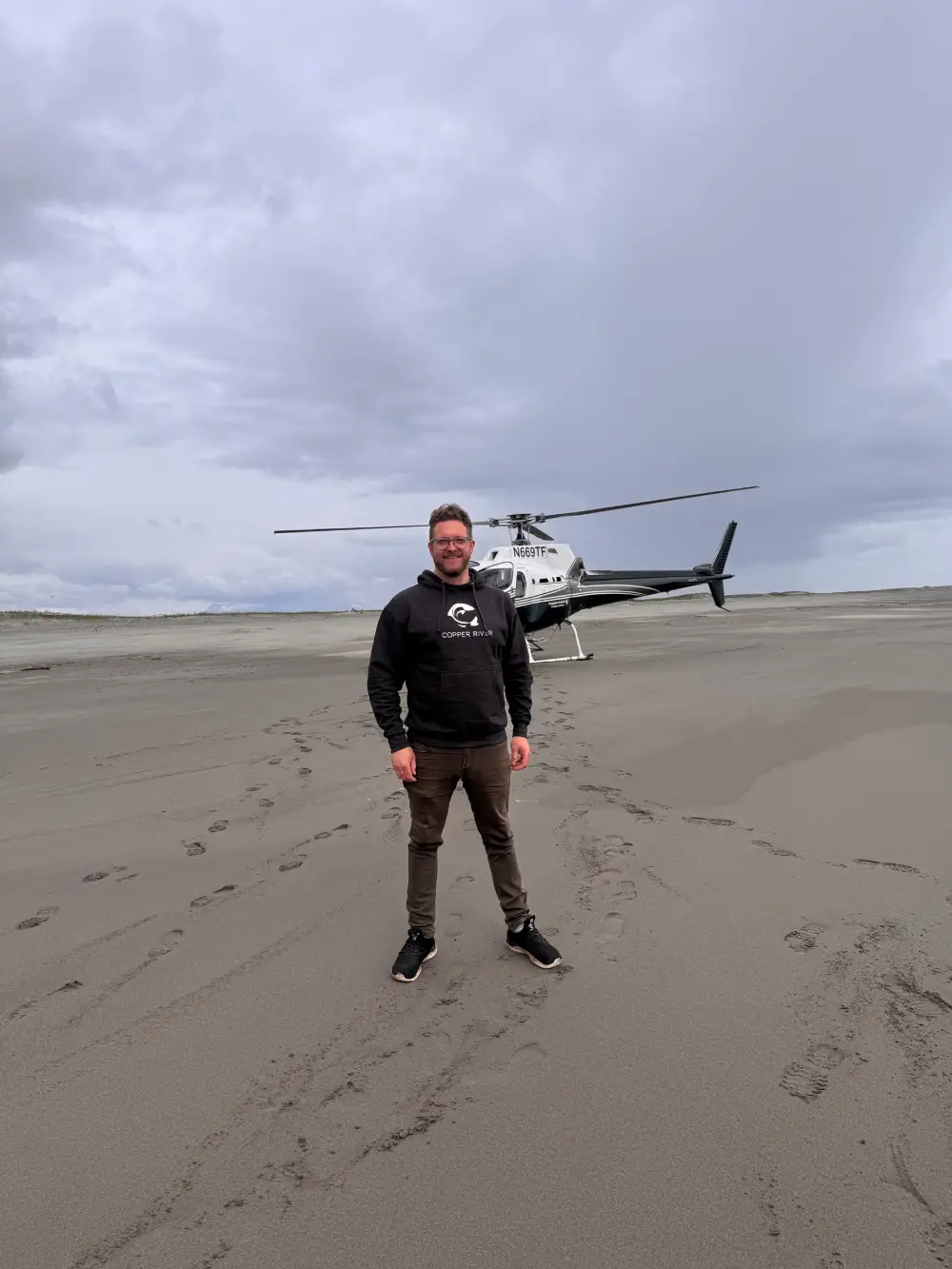
Last June, Cameron Dunlap traveled north to Cordova, Alaska, where he spent time visiting our Copper River fishery and experiencing firsthand the place where wild food systems begin. Sitting down on a call with him just after the trip, it became clear that his approach to cooking is inseparable from the place he inhabits; whether that place is a mossy forest floor in the Oregon, or the cold, powerful waters that produce Copper River salmon. For Cameron, sourcing goes beyond trend or rhetoric and becomes a living relationship formed through time spent, questions asked, and deep respect for the ecosystems that feed us. Known in Portland for his deeply foraged fine dining and as the chef-owner of Morchella Events, Cameron has continued to refine this philosophy beyond the walls of a traditional restaurant. Now working through pop-ups, private dinners, and collaborations, he carries the same reverence for seasonality and origin into every plate. Our conversation in Cordova reflected a shared understanding: that truly meaningful food comes from knowing its story—from forest, river, or ocean to the hands that harvest it, and finally to the table.
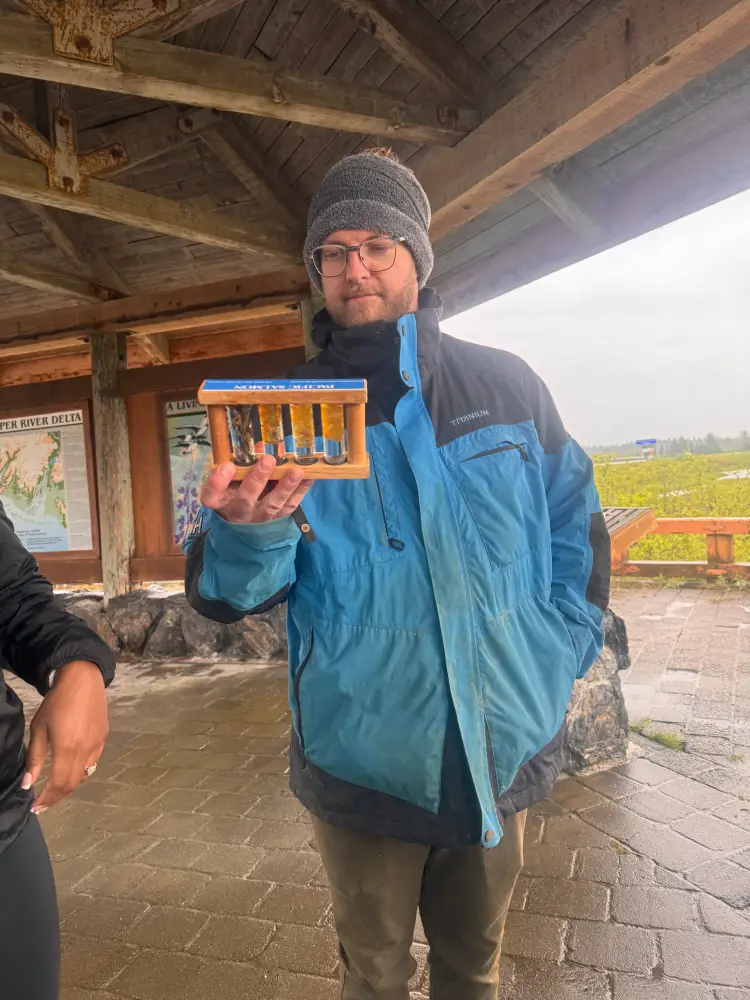
JJ: What is your relationship with salmon?
Cameron: As a chef in the in the Pacific Northwest, I've been working with salmon as the primary wild fish I serve on about 70% of the menus I've been writing since 2016. I've probably filleted around a thousand salmon by now. I've seen many different types of salmon, and a lot of range in quality, so I feel like I'm pretty well versed with the salmons. Me and the salmon--we're close.
JJ: Yeah, I know that people in the Northwest do have this close proximity and knowledge with salmon which is such an advantage since it is in our culture.
JJ: How has your trip to Cordova and to our fishery deepened your understanding of wild salmon?
Cameron: The part of the trip that I felt that I learned the most from was visiting ADF&G and talking with Jeremy. Seeing all the slides he created was very eye opening and I saw the side of things that I don't normally see as a chef. Coincidentally, they are things that I actually care about and the presentation gave me a greater appreciation for the salmon that I use because there are people at work protecting the fisheries, against all popular beliefs. I think the lesson I left with was how sustainable the fisheries are and the agroeconomic side of salmon. Like I said on the trip, it's not just about the salmon from Cordova--it is Cordova. That says a lot about Copper River salmon as well--it's something that is so important that a whole town has dedicated their lives, generations and generations, I think that speaks for itself and the culture of the fish. Also, it was cool to see that there are bigger fisheries and then to see the small scale of what Copper River is and the care that is put into every step, from the care from the fishermen, to the processing, and straight to the chef. It was great to connect and see how that even happens.
JJ: How do you source your salmon and what factors do you consider when selecting a supplier?
Cameron: I currently buy most my salmon from Cascade Organics. I think they have sold Copper River salmon, or still do. I would say it has to be wild salmon, I don't buy anything farmed. Price and sustainability are high on my list too. Balancing that can be challenging but it is something I fully prioritize. Thinking "Ok, is this something that is good for the world, or something that is good for business. It's constant balance.
JJ: Exactly. It seems you do have to consider all those factors when purchasing salmon. Having cost, quality, farm vs wild...your ethics with salmon definitely have to take center stage.
JJ: Can you describe the importance of understanding the sustainability practices and origins in the food you prepare?
Cameron: I would say a lot of my brand is about considering those origins and imagining what food would look like if we all took a wild stance--if we didn't have all this agriculture that takes up all this space, if we didn't have to have ranches for cattle that just completely obliterate the land and take all the resources out of it. I think that focusing on Copper River makes sense with my brand because me and my guests have the same ideas on wild food and we can deliver on that brand promise of wild and sustainable salmon together. I try to source locally, but if something is sustainable, I will look into other regions. It's just so good for the planet and our symbiosis as humans using up everything that we can.
JJ: Any last thoughts or anything you'd like to add?
Cameron: You know, I really like good storytelling and a lot of what I focus on is just that. Now, especially after the trip to Cordova, I can have the salmon in front of me and I can talk to the people who I am feeding it to and say, "Hold on, this isn't just salmon, this is the fishermen, their families, this is JJ and Christa. There is an entire story that I can keep telling over and over because this is now part of my story. It is much easier after the trip to connect to it and to make it part of what I do.
If I were to explain to fishermen or other chefs why these visits matter, it comes down to relationships. When I make a genuine connection with someone, I’m far more likely to work with them long-term. And when a chef forms that same kind of connection, they tend to carry it forward—sharing that source with other chefs they trust. It creates a ripple effect. My own experience becomes a filter for reputation, and the sources I believe in are the ones I advocate for. In that way, trust doesn’t just stay between two people—it spreads to many.
Check out the journey of the Summer Salmon Camp chefs of 2025 here:
‹ Back
Recent Posts
-
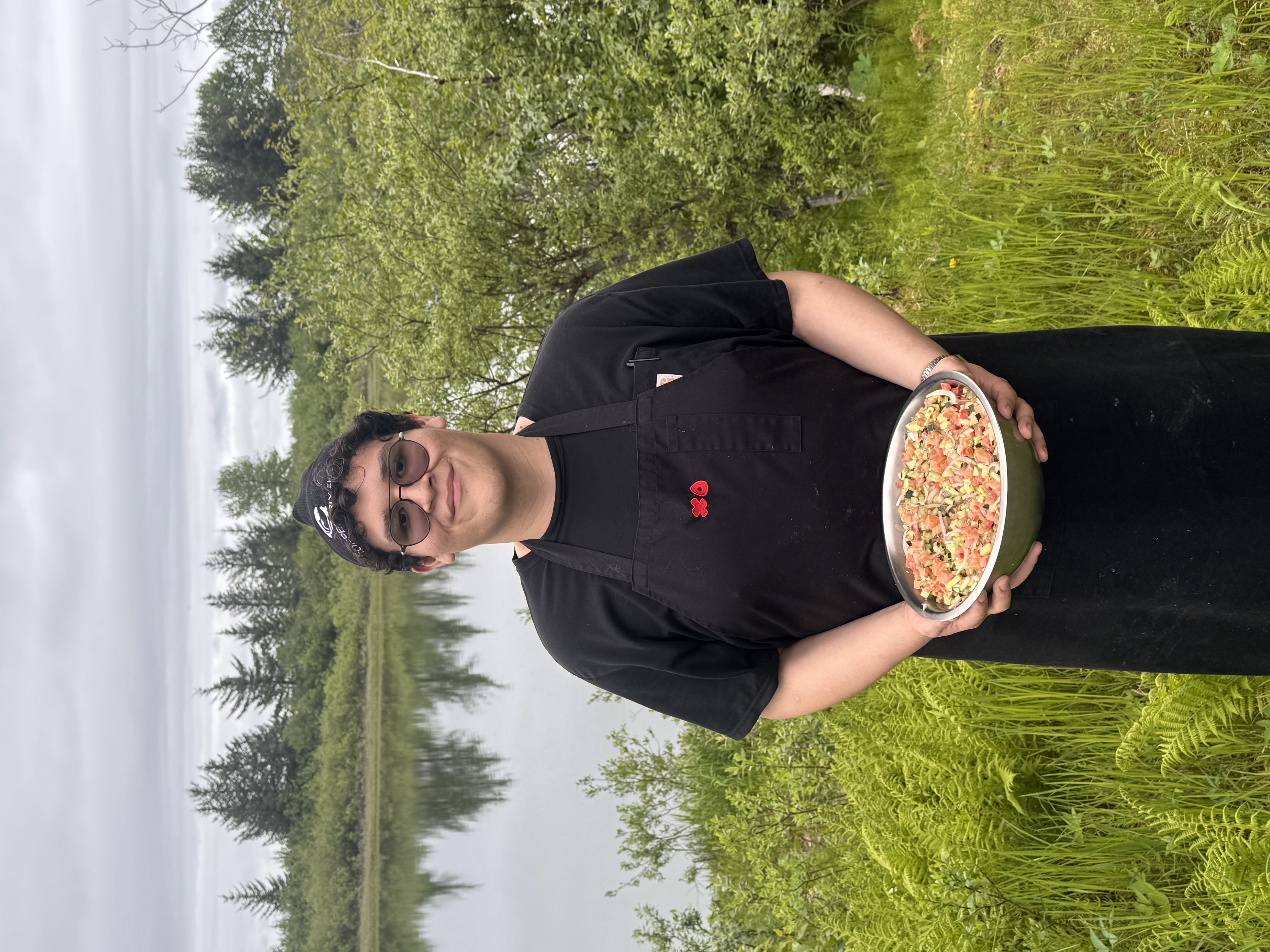
Meet Chef Damian Puente
September 29, 2026
-
Meet Chef Bryant Kryck
September 9, 2026
-
Meet Chef Derek Simcik
August 20, 2026
-
Copper River King Salmon Season Is Here
May 29, 2026
-