

By using our website, you agree to the use of cookies as described in our Cookie Policy
Meet Co-owner and Wine Director JP Taylor Jr.
From Coperta to Cordova: JP Taylor on Place, Partnership, and Copper River Salmon
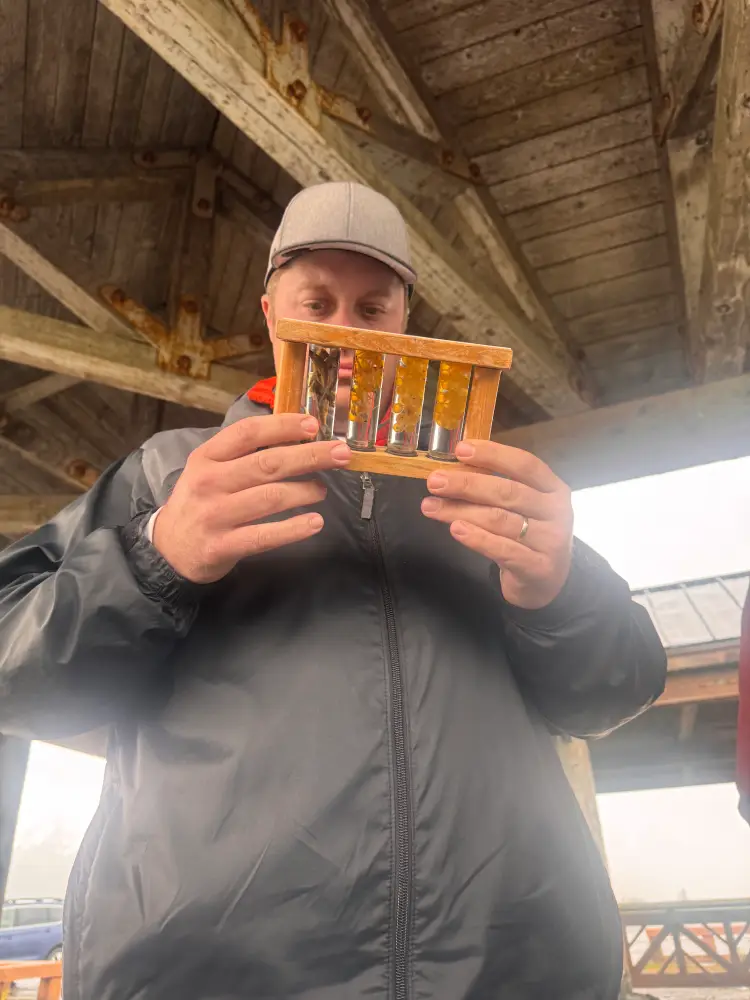
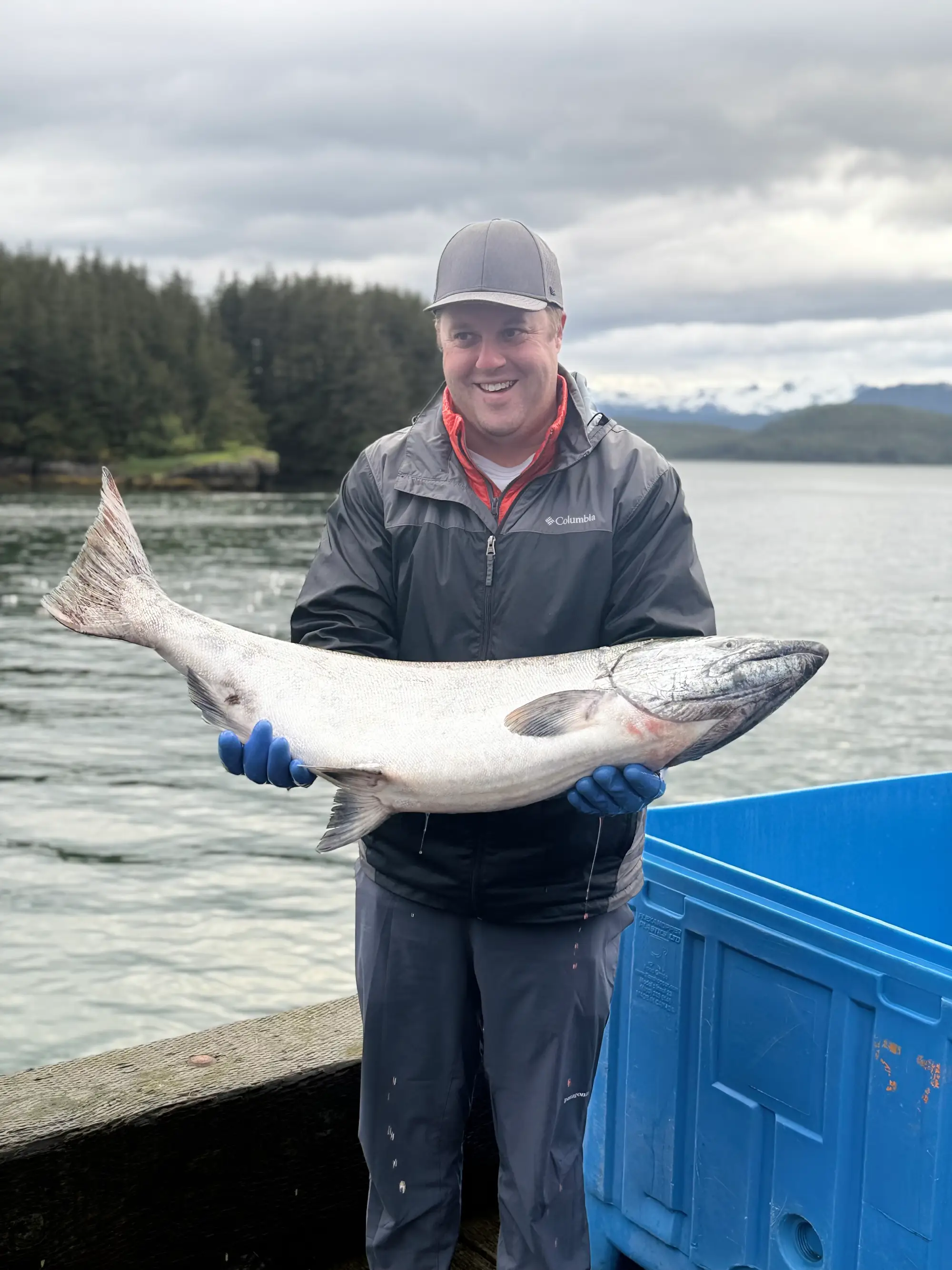
Last summer, while our team was in Denver for an event at BRUTØ, we made a point of stopping by Coperta to visit JP Taylor Jr. wine director and co-owner, along with executive chef and co-owner Paul C. Reilly, the two make a dynamic duo that we've kept a close relationship with for years. A few days later I connected with JP over a video call, and we talked about his experience in Cordova for our annual Summer Salmon Camp. A Denver native and certified Sommelier, JP began his career in the kitchen before turning his focus to wine, studying in France and Italy and developing a program shaped by his knowledge and curiosity. Over many years of working together, he and Paul have built Coperta into a place where food and wine feel inseparable from culture, region, and story.
As it happened, we had a literal last-minute spot open up for a guest to join our annual Summer Salmon Camp— and JP and Paul didn’t hesitate. They jumped on the opportunity, a spontaneous yes that spoke volumes about how they approach their craft: with openness, trust, and a desire to understand food and drink at the source.
In our conversation, it became clear that JP’s approach to wine mirrors that same philosophy. Each bottle is chosen with respect for terroir and the people behind it, just as the food at Coperta reflects Paul’s deep connection to tradition and ingredient integrity. The longstanding partnership between them is rooted in shared values — that meaningful hospitality is built through relationships, whether with growers, vintners, fishermen, or guests. The most memorable meals begin long before the table, in the places and communities that make them possible.
JJ: What is your relationship with salmon?
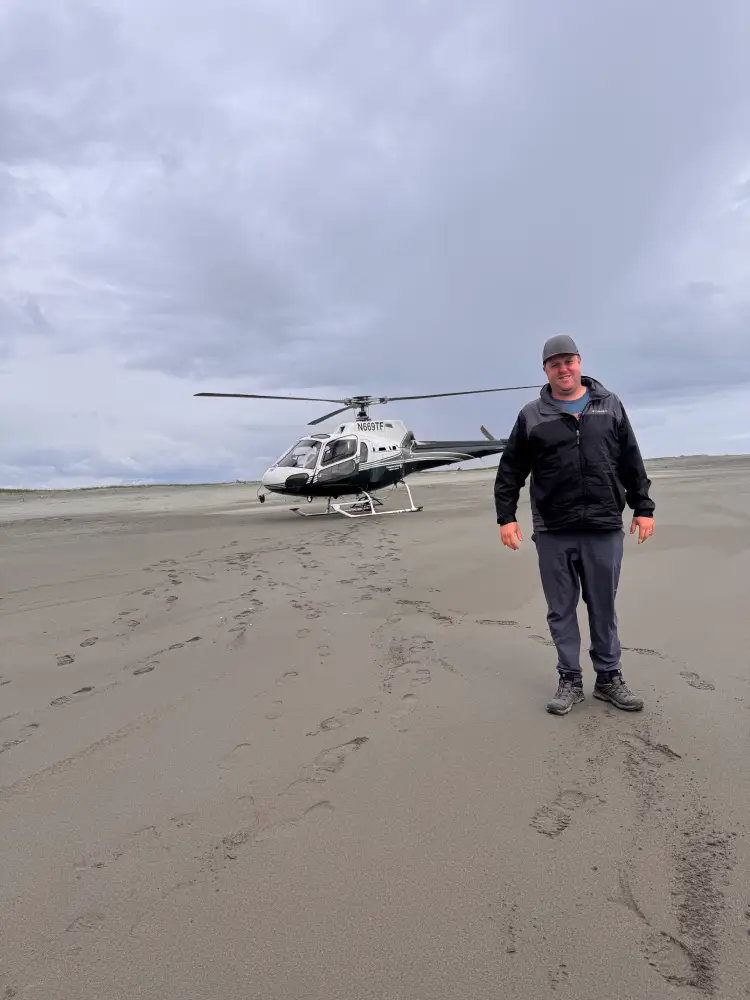
JP: My experience with salmon has been pretty limited. We are in a landlocked state and getting high-quality, fresh salmon shipped in is a challenge of itself. When you guys have sent it to us, it has been shipped overnight, and I know that’s a very special process. At our restaurant, the only relationship we have is with Copper River salmon. It has been 10+ years since you guys started to market here, and it's kind of hard to go eat salmon anywhere else [laughs]. Now that I've been up to Alaska and experienced cooking with local forged ingredients, it makes me appreciate what we have in Colorado and the local ingredients we use in our kitchen.
JJ: That makes total sense. Now that I’ve been down to Denver, done the event at Brutø, and visited you guys at Coperta, it’s been really cool to see how people respond to our salmon — and how different chefs use it in a fine dining setting. It’s pretty different from most of us in Cordova, who are home cooks — partly because we want to be, and partly because we just don’t have many restaurants in town.
JJ: Also, I didn't realize you had such a long standing relationship with Copper River. I just completed year three at the Marketing Association and am still tying in a lot of the past connections we have.
JP: I may be overstating, but we definitely used Copper River salmon at our previous restaurant, Beast and Bottle, and we opened in 2013.
JP: Also, I think my relationship compared to the other interviews you are doing is a little less chef driven. I’m in the restaurant as a wine buyer and am one of the owners, but it’s Paul who is the culinary side group and he’s always pushed the forefront for responsible harvested fish. Like I said, I don’t think we’ve ever put a piece of salmon on any of our menus that isn’t for your neck of the woods.
JJ: How has your trip to Cordova and to our fishery deepened your understanding of wild salmon?
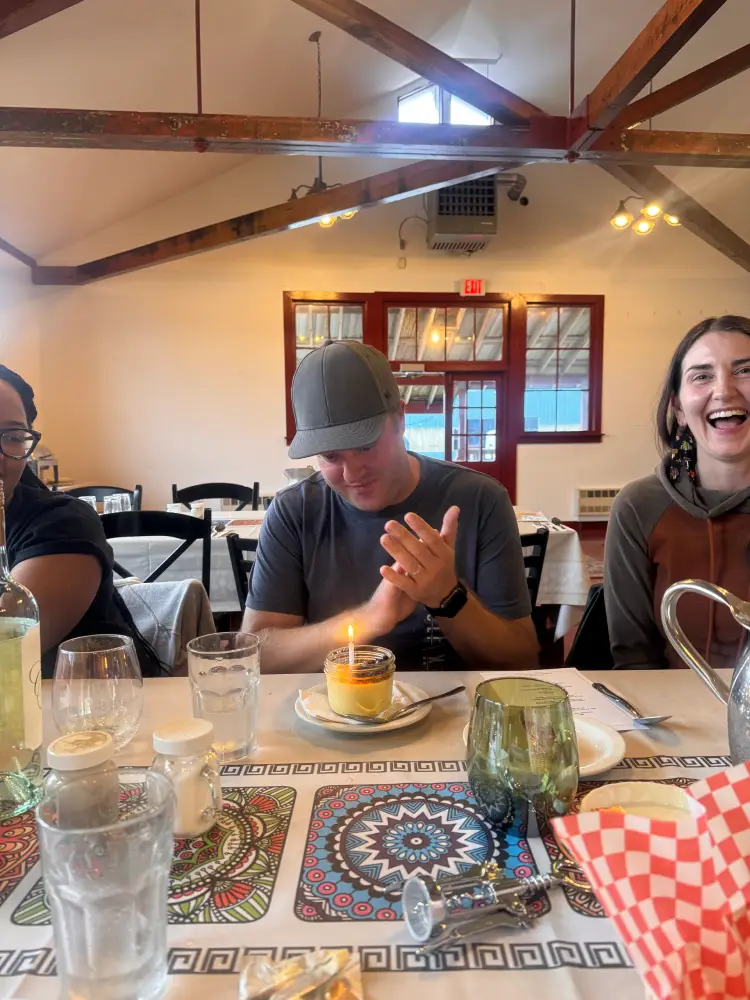
JP: It was interesting getting the pulse on the entirety of the fishery and the culture in those few days I spent in Cordova. I find myself pretty well-versed in food, and I didn’t know that there is a law set in place that all salmon in Alaska has to be wild. It’s kind of a double-edged sword because farmed fish is necessary for the world and for people to be able to eat fish with any frequency, but knowing the quality of Copper River salmon and non-farmed fish is something I always prefer. I think catch phrases and trademarks exist for a reason, and Cooper River salmon means a lot more to me now that I’ve been around the locals and have seen the operation in its entirety.
JJ: I always say that coming up here and seeing the fishery firsthand is an experience that is difficult to convey otherwise. It’s almost like “you gotta see it to believe it”.
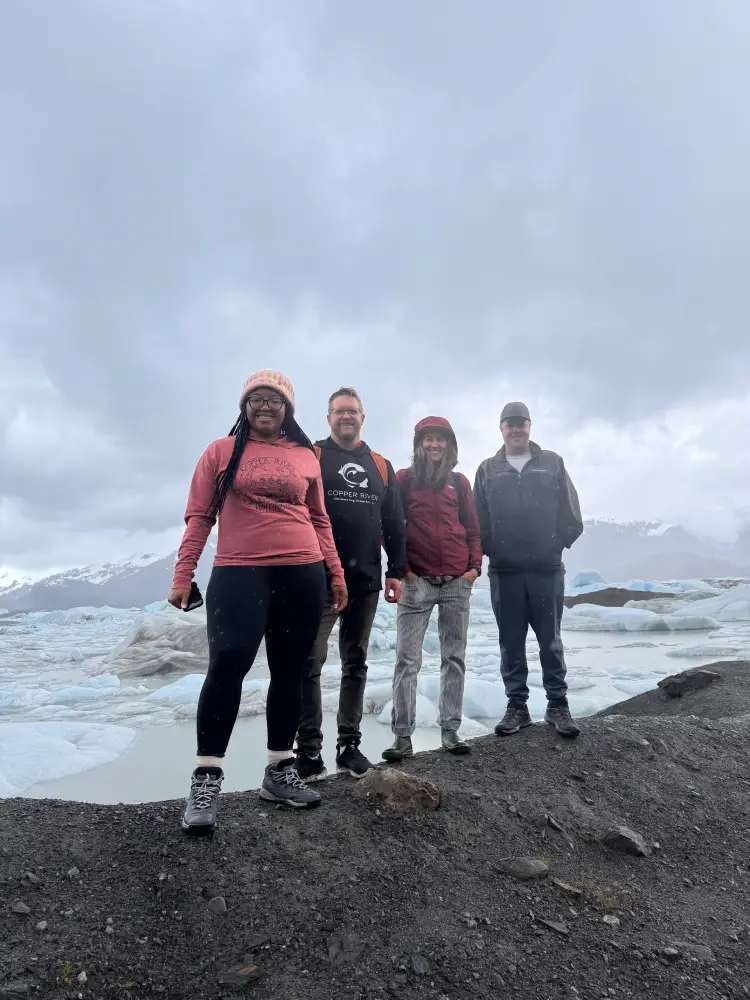
JP: I do a fair amount of travel — and since my wife hates the cold — Alaska wasn’t at the top of our list [laughs]. Being there, you truly see how wild it is. It’s so different, and living there is, well, not a chore — it’s a lifestyle choice. It’s not easy. You can’t get things very regularly, like groceries or supplies — it’s kind of a prideful thing to live there. Seeing the sacrifices the fishermen make, like living on a boat, well, it’s something else. I can’t even imagine.
JJ: Oh yeah, it really is! The people that want to be here really want to be here. You don’t really stumble on it accidentally since we’re so isolated. Also, you have to be your own mechanic, chef, tailor, etc. There aren’t a lot of outside resources, but the ones we do have tend to make it such a unique and valuable place to live.
JJ: How do you source your salmon and what factors do you consider when selecting a supplier?
JP: We work with the Monterey Bay Aquarium Seafood Watch. Right now, we’re part of one of their pilot programs for new certifications and menu branding which has to do with where we get our fish. It’s really important to us, and we try to always use domestic fisheries. Once you leave domestic waters, it’s hard to know what’s going on. We started our restaurant based on clarity and sourcing of food, and finding smaller operations with higher quality that we can get behind is huge. Just like the Copper River fishery, It was easy to connect with the fishermen on values in food and it really matched what we are trying to provide. The more responsible practices the better.
JJ: It’s really cool to see the crossover between fishermen and chefs and we look for that ethos when scouting chefs to bring up to Alaska.
JJ: Why do you think these tours are important for both chefs and fishermen?
JP: As a brand, you could potentially run an ad in a magazine or put up a billboard explaining why Copper River salmon is great and why people should be eating it a certain number of times per week. But I think grassroots efforts are more important when it comes to food. I don’t think people necessarily listen to ads — they want to find meaning in the things they actually enjoy. It’s powerful to have people in the industry who are doing cutting-edge work with food and wine be the ones promoting the product, because guests and consumers will listen to them. People who enjoy dining out are often looking to recreate a similar experience at home. I think those trips are important for educating chefs about why this is such a great product and how to talk about it from a community perspective. Cordova is a place that lives off the Copper River, and it’s important for you all to get out there and share that story — and this feels like one of the best ways to do it.
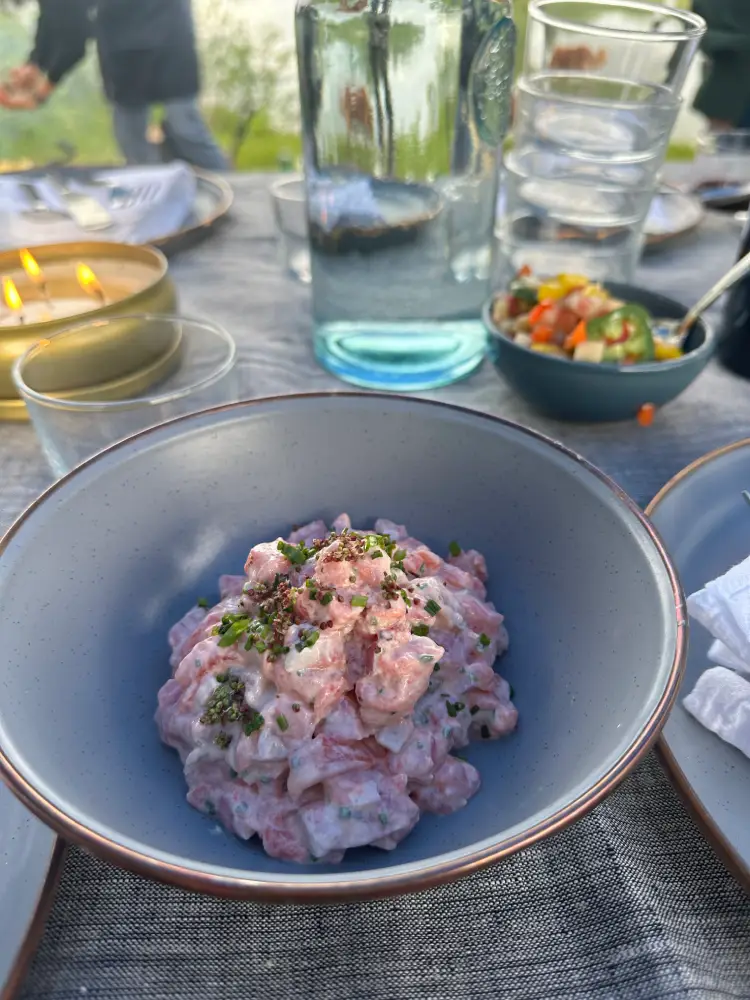
JP’s Copper River Sockeye Crudo — created for the 2025 Summer Salmon Camp cookout, where chefs and fishermen gathered around a campfire to celebrate Copper River salmon.
JP's Copper River Sockeye Crudo
- 6-8oz. Copper River salmon sockeye filet, diced
- 3 oz cream fraiche ( sour cream, lemon, evoo, salt, pepper)
- 1.5 Tbsp chives, finely sliced
- 1 Tbsp EVOO
- salt
- pepper
Check out the journey of the Summer Salmon Camp chefs of 2025 here:
‹ Back
Recent Posts
-
Meet Chef Damian Puente
September 29, 2026
-
Meet Chef Bryant Kryck
September 9, 2026
-
Meet Chef Derek Simcik
August 20, 2026
-
Copper River King Salmon Season Is Here
May 29, 2026
-