

By using our website, you agree to the use of cookies as described in our Cookie Policy
A Way of Life: The Rutzer Family and Subsistence Fishing in Cordova
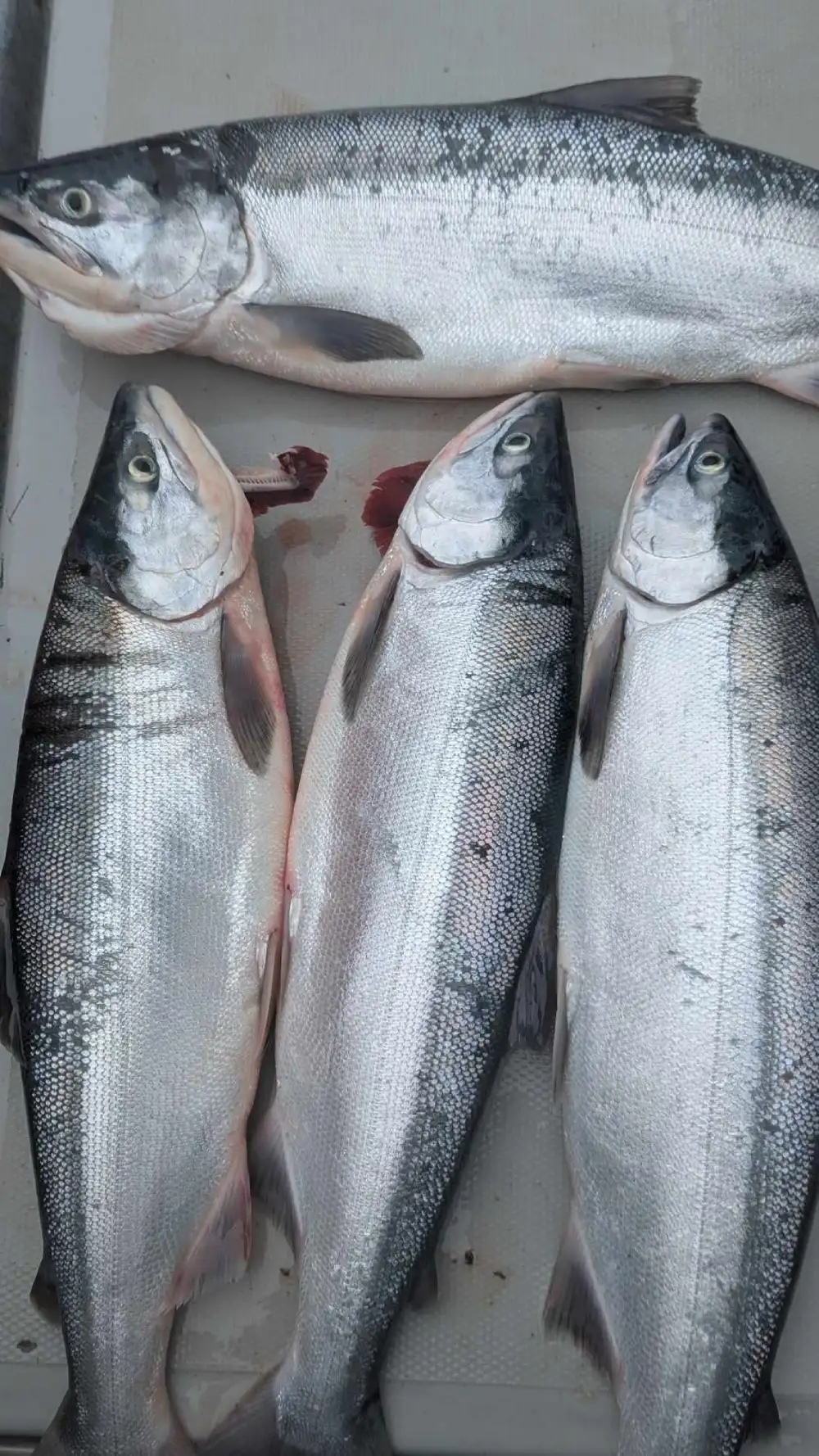 Copper River Sockeye Salmon Caught By The Rutzer Family
Over the years, families here have learned to live with that—to build their days, their work, and their routines around something that doesn’t always bend to them.
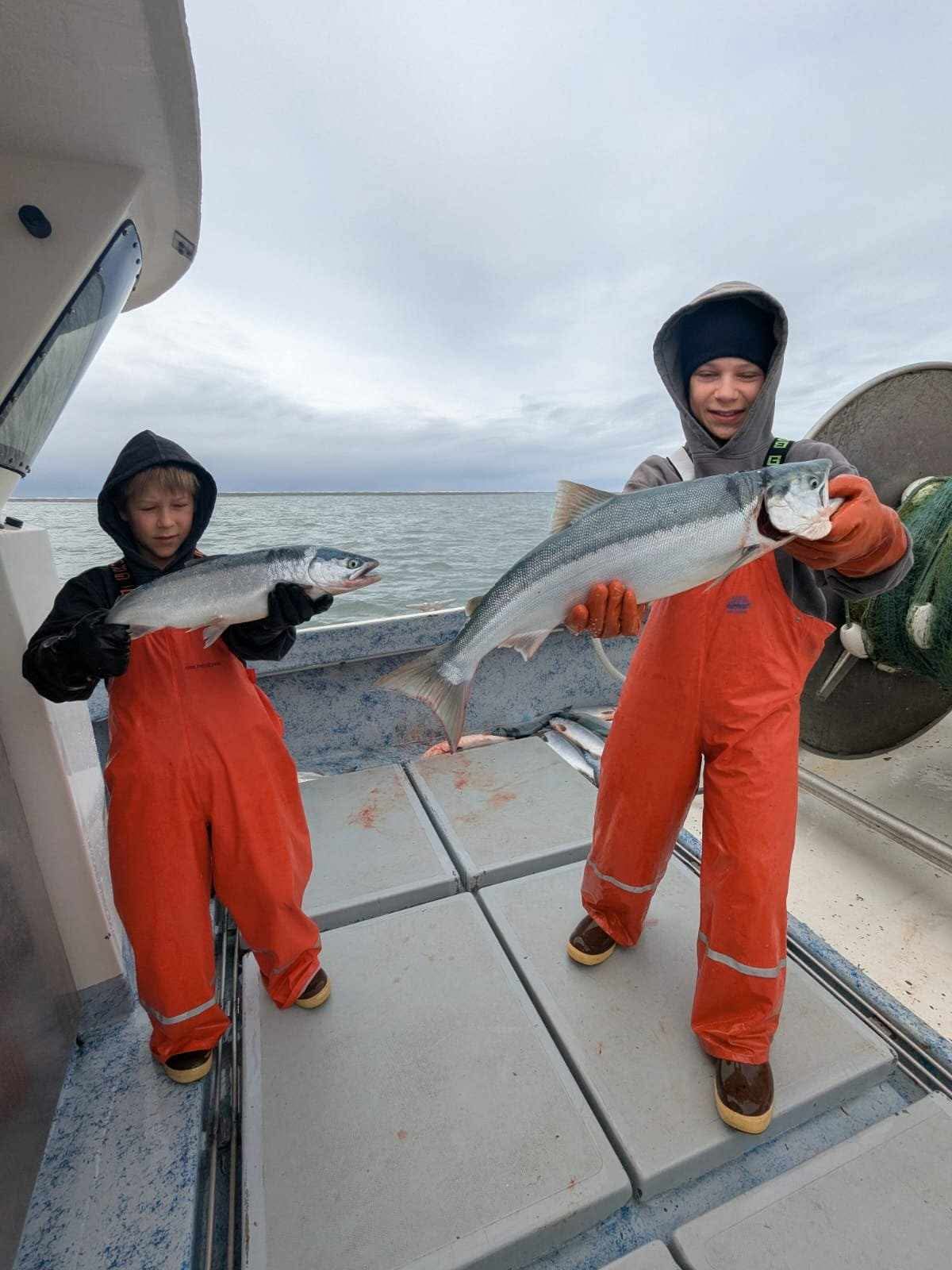
For Vera and Brian Rutzer, subsistence fishing is part of that rhythm. It’s how they feed their family, how they spend time together, and how they stay connected to their chosen home. On a trip out to the Copper River flats last May, Vera mentioned, "We made it out for the first subsistence fishing opener of the year. Love seeing Brian passing his great fishing skills on to our boys. It's not just about filling up our freezer with the fish - it's about family time, tradition and showing them the connection to the land and ocean. I'm so grateful to eat the best salmon on Earth - Copper River Salmon!"
Now, it’s something their two young boys are growing up learning to do. It's a sustainable way of living passed down from generations.
Every May, when the fish start coming in, life gets busy fast. People start checking the tides and weather constantly, and plans usually depend on a long list of conditions fishermen pay close attention to. Some days the boys come out to the fishing grounds too—bundled up, helping where they can, and getting used to the work that comes with it. Around here, kids learn by being included in it from the beginning.
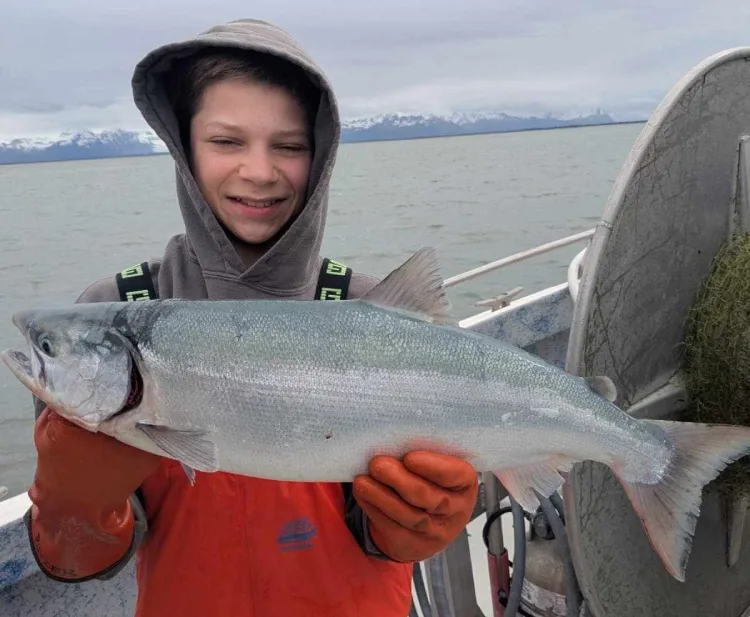 Courtesy Of The Rutzer Family
What Subsistence Fishing Means
At its simplest, subsistence fishing means catching fish to feed the people around your table.
These salmon aren’t sold, but come home with the fishermen. They get cleaned, cut, wrapped, smoked, canned, stacked in the freezer—put away carefully because they’re meant to carry a family through the months ahead.
It means catching enough salmon to feed your household and taking the time to properly process and store it. A lot of work goes into making sure the fish lasts through the year, so people are careful not to waste what they catch.
In a place like Cordova, where so much food arrives by barge or plane, there’s something grounding about bringing home fish from water you know—food that passed through your own hands before it ever reached the table.
The Work Behind It
Catching salmon is only one part of it. Afterward comes the processing—cleaning, filleting, vacuum sealing, freezing, smoking, and canning. It takes time, and during the season a lot of family time ends up centered around that work.
The Rutzer boys are already part of it too. They help where they can, spend time on the boat and around the processing table, and are growing up understanding how much work goes into putting food away for the year.
For a lot of families in Cordova, this is just a normal part of life and the season.
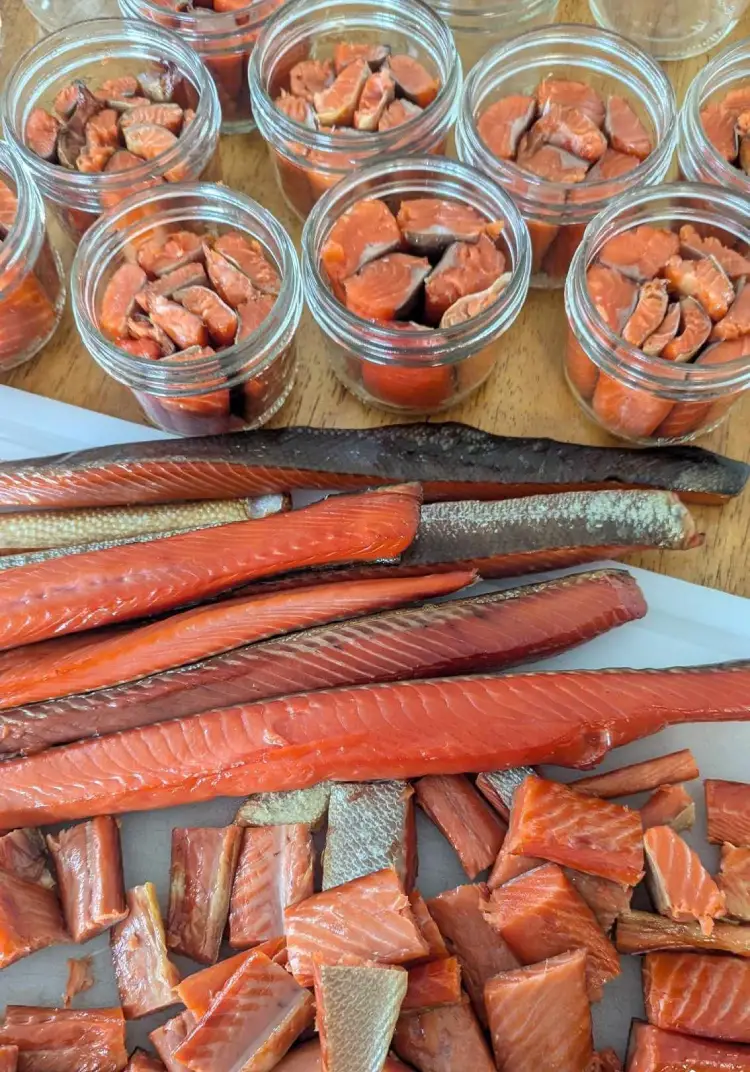 Courtesy of the Rutzer family
The Science Behind the Season
What shows up on the boat has been a long time coming.
These salmon have spent years feeding in the North Pacific before returning home. Once they begin making their way back toward the Copper River, they stop eating and rely entirely on the energy they’ve stored to complete the journey upriver.
And it’s a serious journey. Copper River salmon travel through strong tides in the Gulf of Alaska before pushing into the cold, fast-moving Copper River system, where some fish will continue hundreds of miles inland to spawn.
By the time they return, they’re incredibly strong with dense muscle, high oil content, and the kind of quality people here immediately recognize when they handle them.
Part of the Area E Fishery
The Area E fishery is the commercial salmon fishing region that includes the Copper River Delta, Prince William Sound, and nearby waters in Southcentral Alaska. When the commercial season is on, salmon are moving out of here fast, headed to places most people here will never see.
At the same time, there are families out on the same water, catching fish as a way of subsistence.
It’s the same salmon runs and the same waters, but the purpose is different.
Commercial fishing is part of the local economy and supplies seafood markets around the world. Subsistence fishing is centered around feeding families locally and putting food away for the year.
In Cordova, both have existed alongside each other for generations and are part of the broader fishing culture of the region.
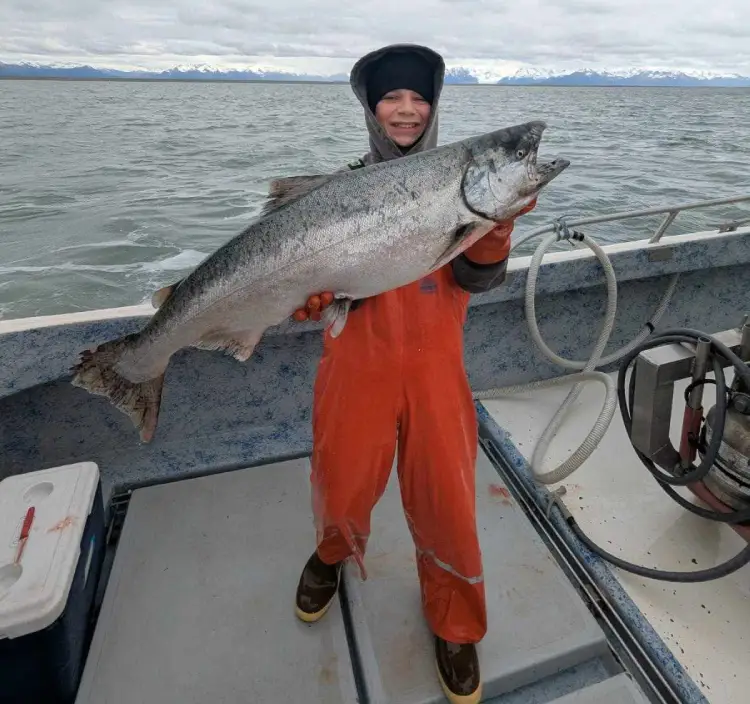 Courtesy Of The Rutzer Family
Growing Into It
For the Rutzer boys, this way of life is already familiar. They spend time on the boat with their parents, help around the house when fish are being processed, and are growing up around the day-to-day realities of fishing in Cordova.
As they get older, they’ll naturally learn things like how to handle fish properly, how to pay attention to weather and tides, and how much work goes into harvesting and putting food away for the year. A lot of that knowledge comes from simply being included in it from a young age and spending time alongside family during the season.
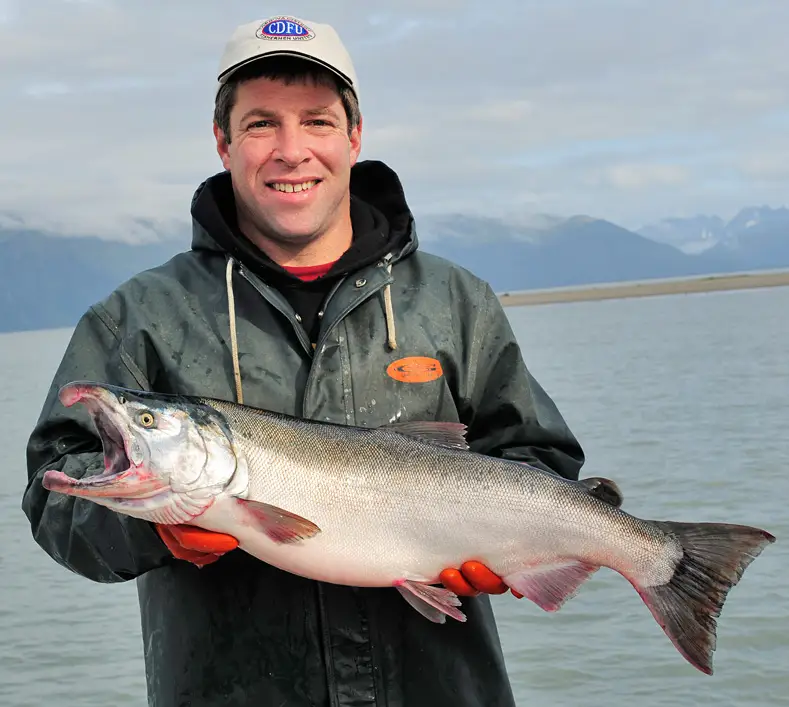
More Than a Practice
Subsistence fishing in Cordova is built into everyday life for many families. It’s a practical way to feed a household, spend time together, and stay connected to the local waters and salmon runs that people here have relied on for generations.
For the Rutzer family, it’s simply part of their normal routine during the season. Time on the boat, processing fish at home, and putting food away for later all become part of daily life when the salmon are running.
Year after year, families continue doing this because it provides something important and dependable: access to local food, knowledge passed between generations, and a direct connection to the place they live.
‹ Back
Recent Posts
-
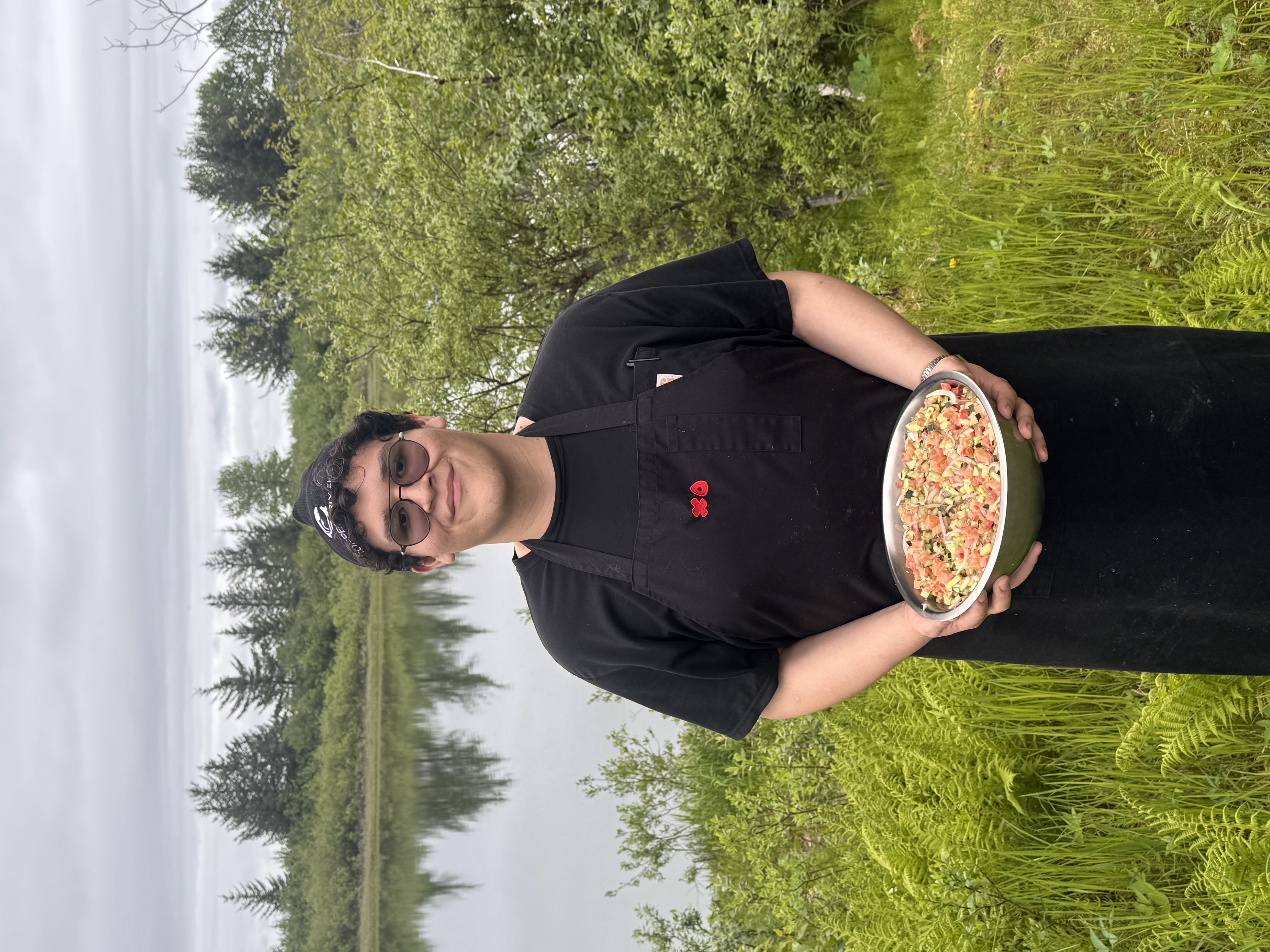
Meet Chef Damian Puente
September 29, 2026
-
Meet Chef Bryant Kryck
September 9, 2026
-
Meet Chef Derek Simcik
August 20, 2026
-
Copper River King Salmon Season Is Here
May 29, 2026
-