


By using our website, you agree to the use of cookies as described in our Cookie Policy
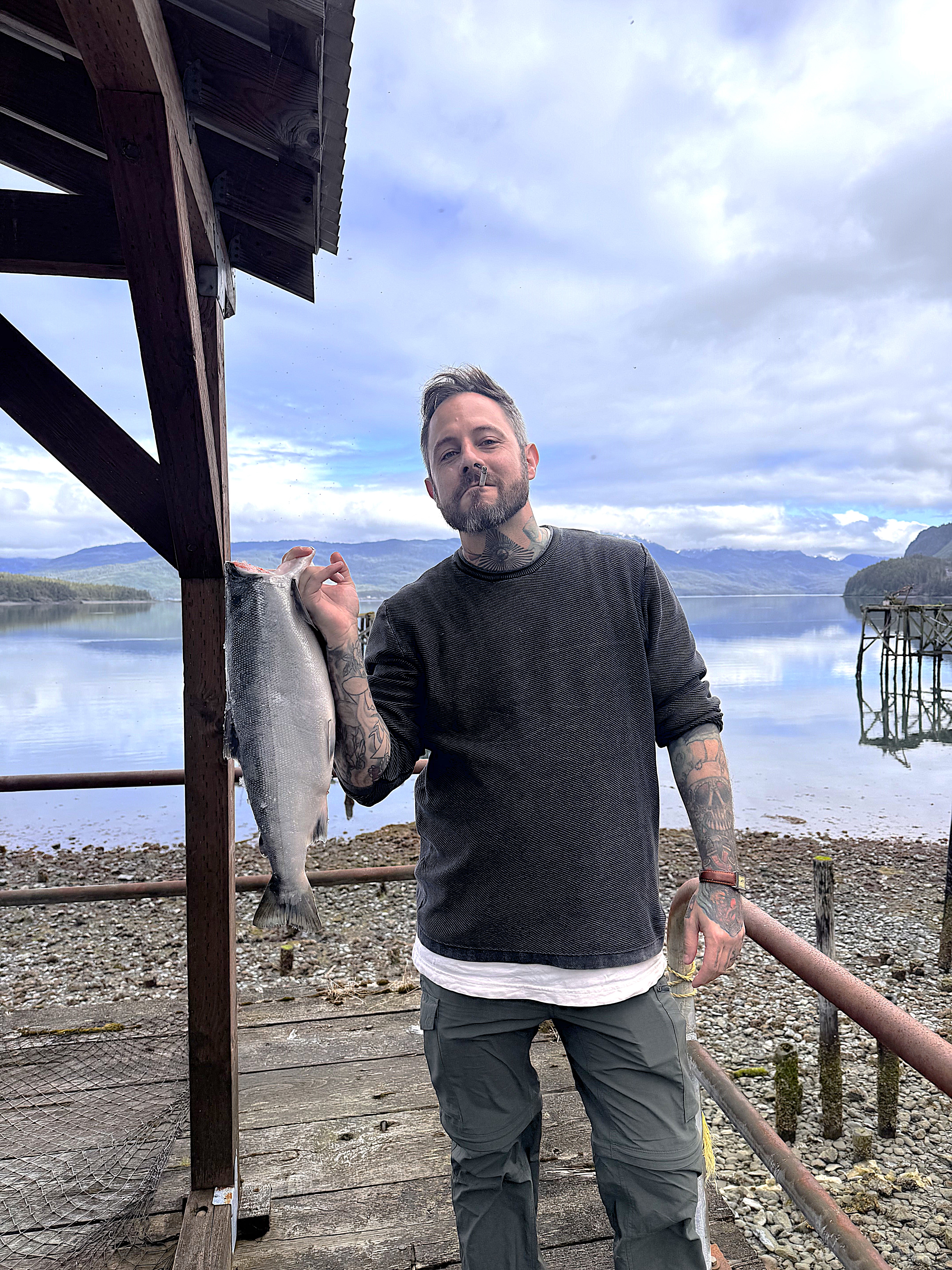
Meet Chef Derek Simcik
A Chef With a Worldly Palate
When you think of the culinary world, cities like Athens, Santa Barbara, Chicago, and Nashville come to mind. These are the places that have shaped the career of Derek Simcik, Executive Chef of the Four Seasons Hotel Nashville . Born in Athens, Greece, Chef Simcik originally studied fine arts before a chance kitchen job set him on a different path, encouraged by his father to pursue hospitality .
Over more than two decades, Simcik’s career has been extraordinary. He has opened more than 16 restaurants and hotels across the United States, serving in leadership roles at Sage Hospitality, Barcelona Wine Bar, Thompson Hotels, and Hotel Bardo Savannah . His resume reads like a roadmap of American culinary excellence, from The Goodland in Santa Barbara to The Burnham in Chicago .
Now at Four Seasons Nashville, Simcik oversees the newly opened Tuscan-inspired steakhouse Bacco . His culinary philosophy is simple: “A good meal should spark conversation, ignite the senses, and leave a lasting memory” .
Chef Simcik is also the creative force behind Bacco’s monthly guest chef series, “The Big Night,” which invites celebrated chefs from across the country to collaborate on one-night dining experiences . The series rotates around primary proteins—cow, pig, duck, lamb, and fish—demonstrating his deep appreciation for the ocean’s bounty . It is this passion for sourcing and storytelling that brings us to our small fishing port in Cordova, Alaska.
Cordova, Alaska: Where the Salmon Runs Deep
Every spring, our small community of Cordova, Alaska, with a population of roughly 2,400 residents, begins to roar to life . The town, accessible only by plane or boat, doubles in size during the summer as the fishing season begins . The start of the season brings both excitement and determination; as one local fisherman put it, “The salmon are here. We get to start making moves again”.
Copper River earned its name from a previous source of income for the community—copper mining—but now catching and processing seafood is Cordova’s bread and butter . The fishing families of southcentral Alaska are independent, small business owners dedicated to the long-term sustainability of wild salmon stocks, the environment, and a traditional way of life . Their passion preserves their livelihood and ensures abundance for future generations.
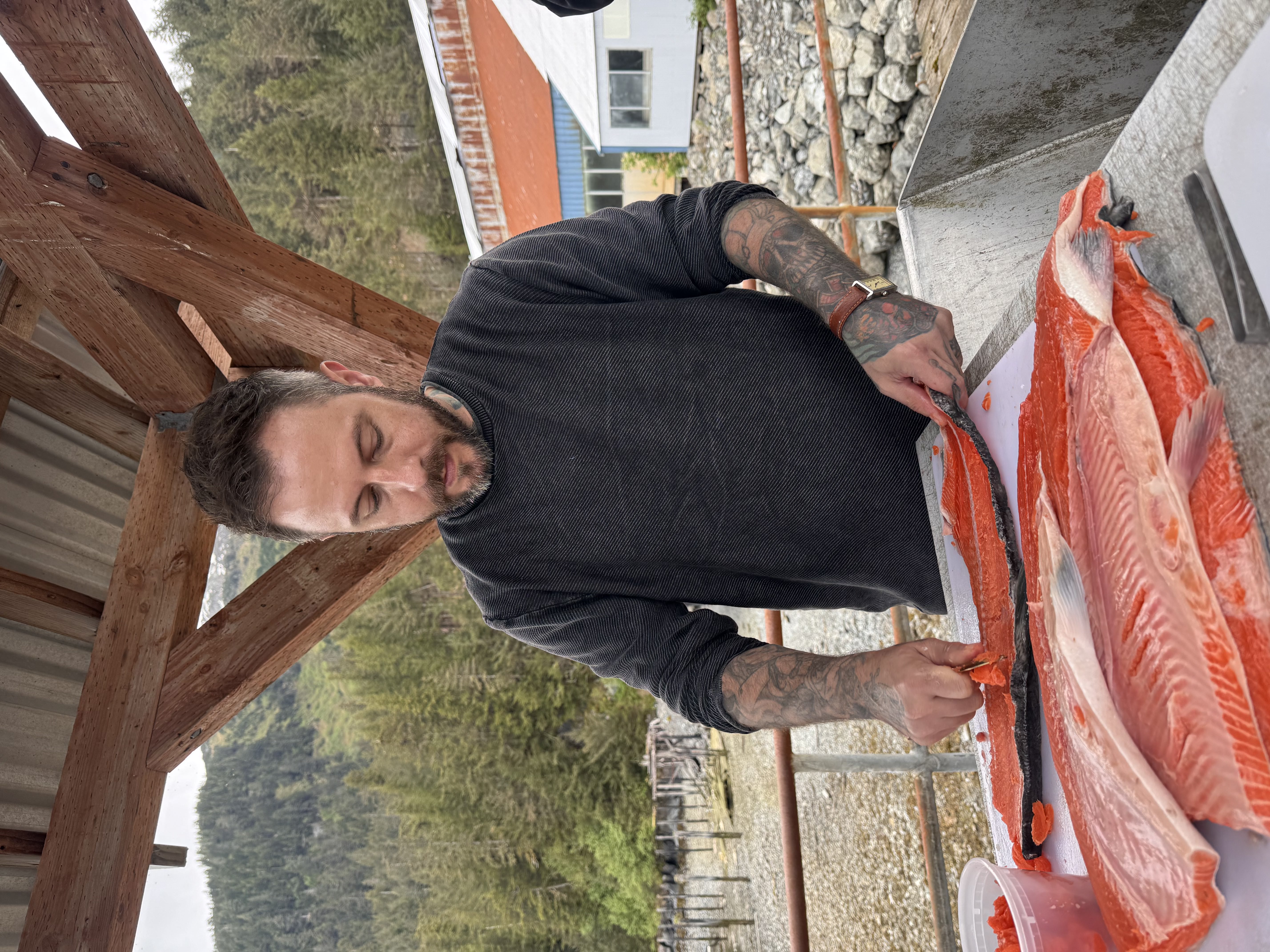
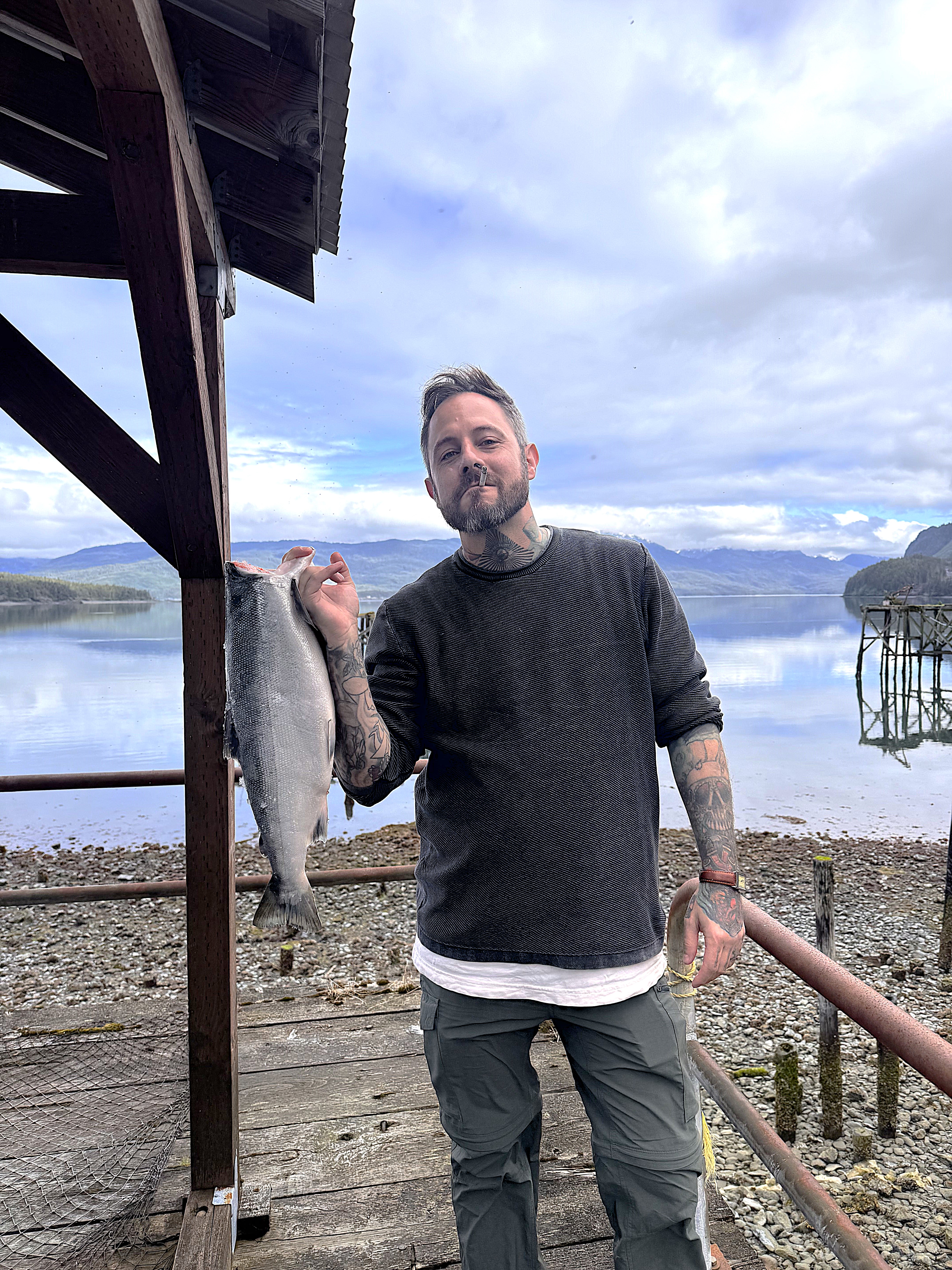
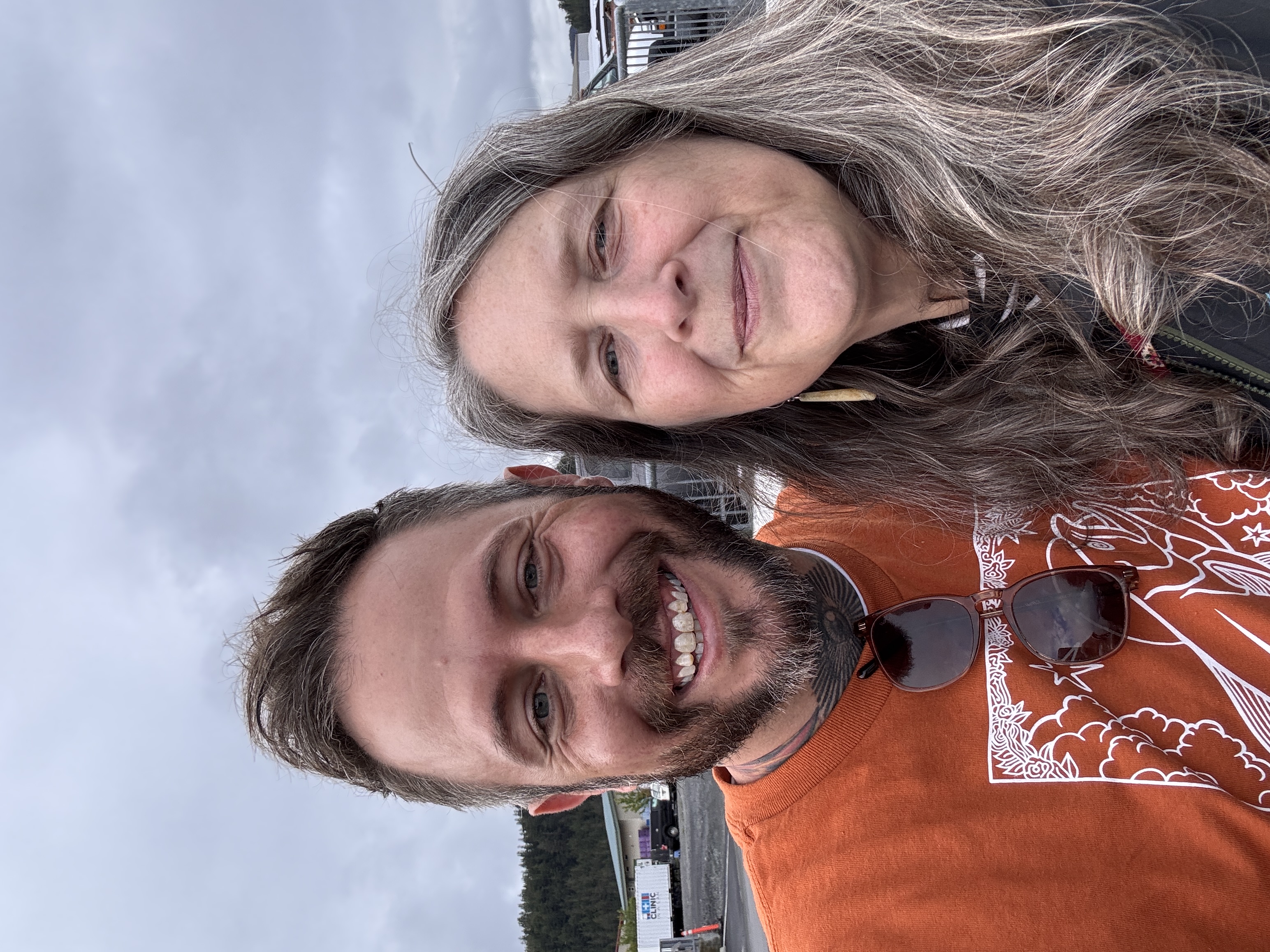
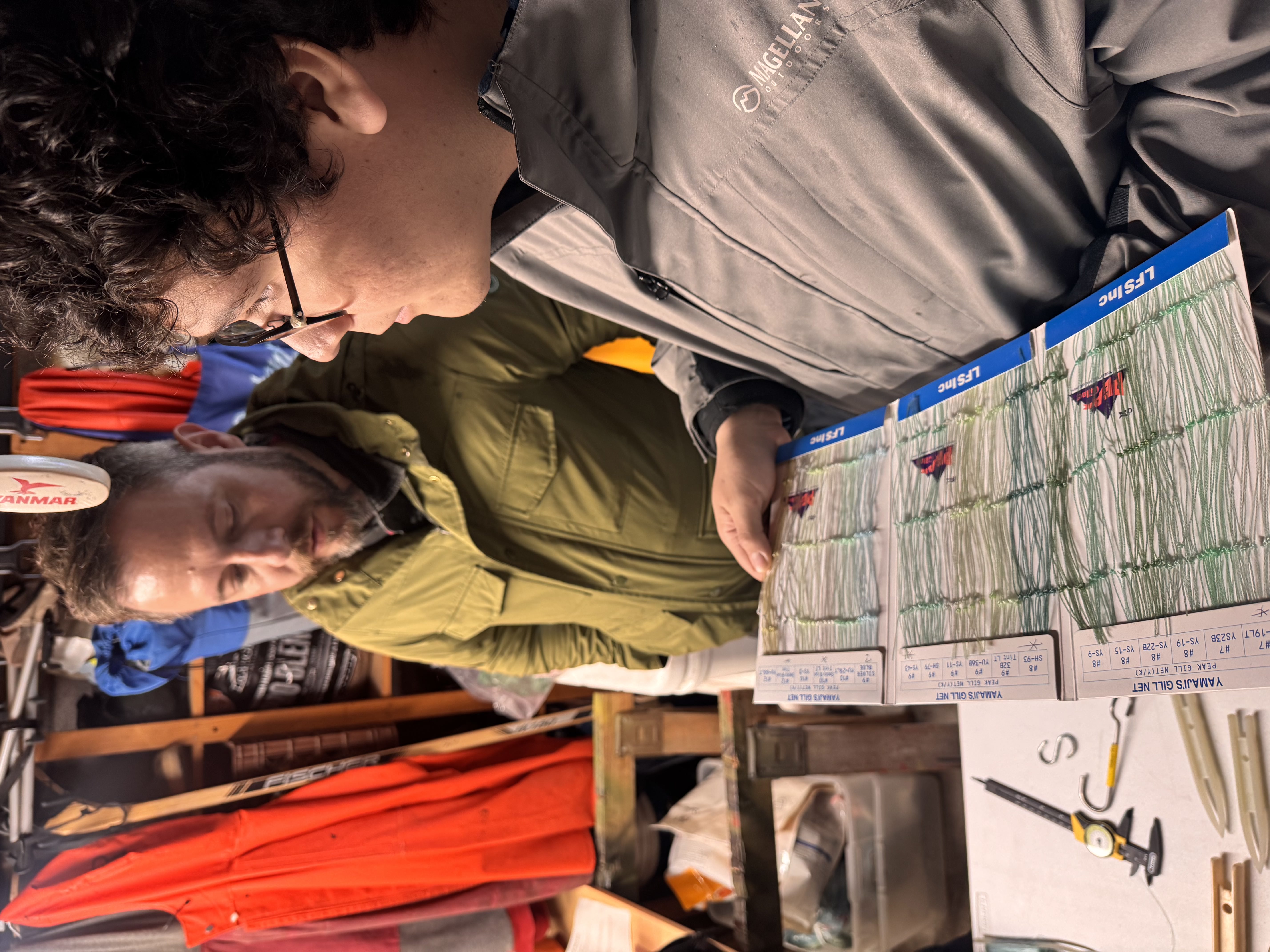 Every summer, we invite chefs to Cordova, Alaska. We bring them here to see the fishery up close—to stand on the docks, meet the fishermen, and understand what goes into bringing Copper River salmon from the water to the plate. It's one thing to read about sustainability. It's another to watch a fisherman hand-pick salmon from a gillnet, to see a tender pull up alongside a boat to collect the catch, to walk through a processing plant and watch the fish go from net to ice in minutes. We want them to meet the net menders who repair 900-foot webs by hand, the tendermen who keep the boats running, the processors who lock in freshness, and the managers at Alaska Department of Fish and Game who use sonar to count salmon, deciding when to open the fishery in careful 12 to 24 hour windows.
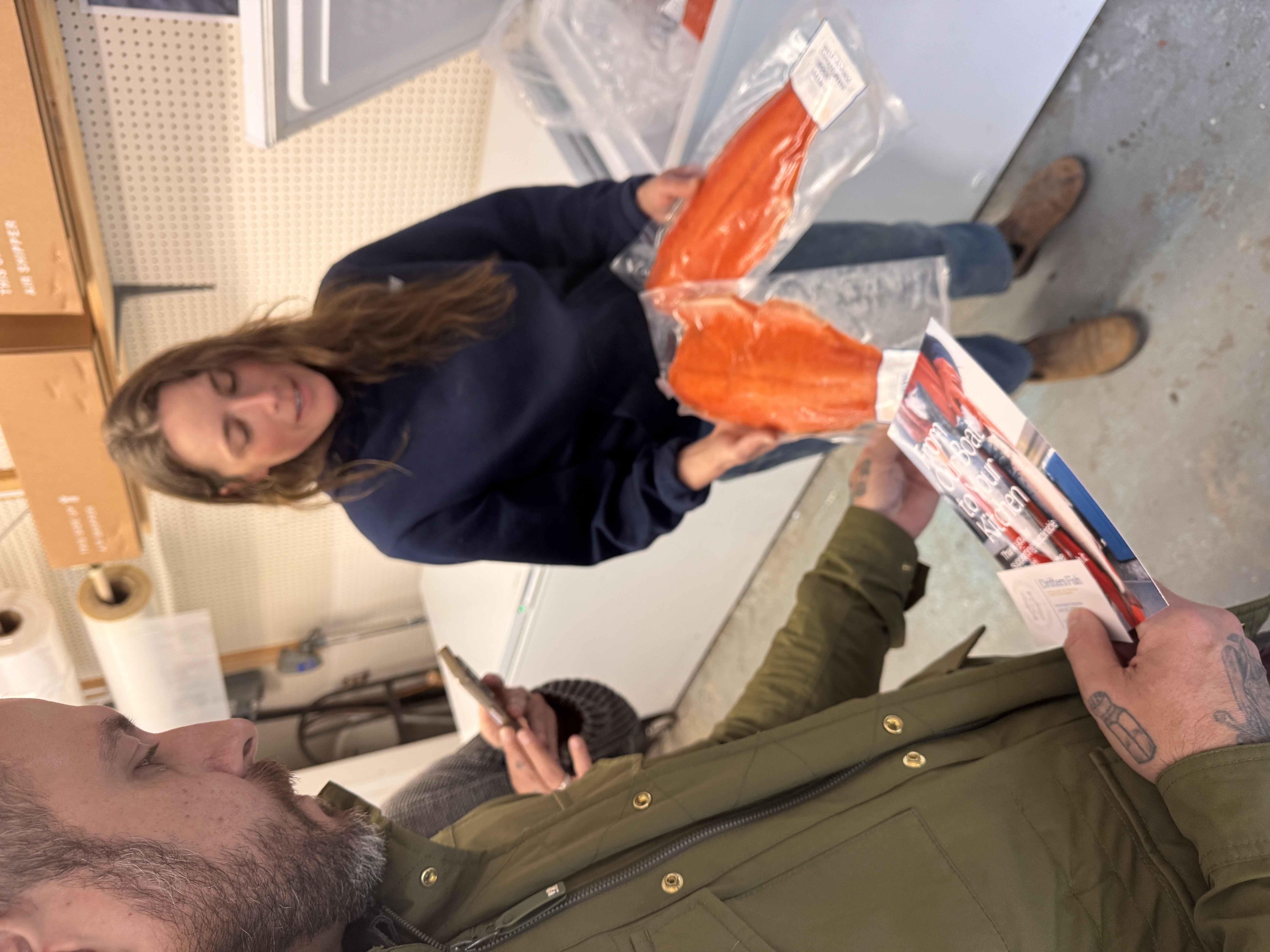
What is your relationship with salmon?
When I think about salmon, I find it fascinating. From a business perspective, it's one of those proteins that almost sells itself. But what truly excites me is taking the conversation beyond the menu and focusing on the sourcing, seasonality, and quality of the fish. Those elements create an opportunity to educate guests and open their eyes to why it matters to source the best salmon from the best waters at the right time of year.
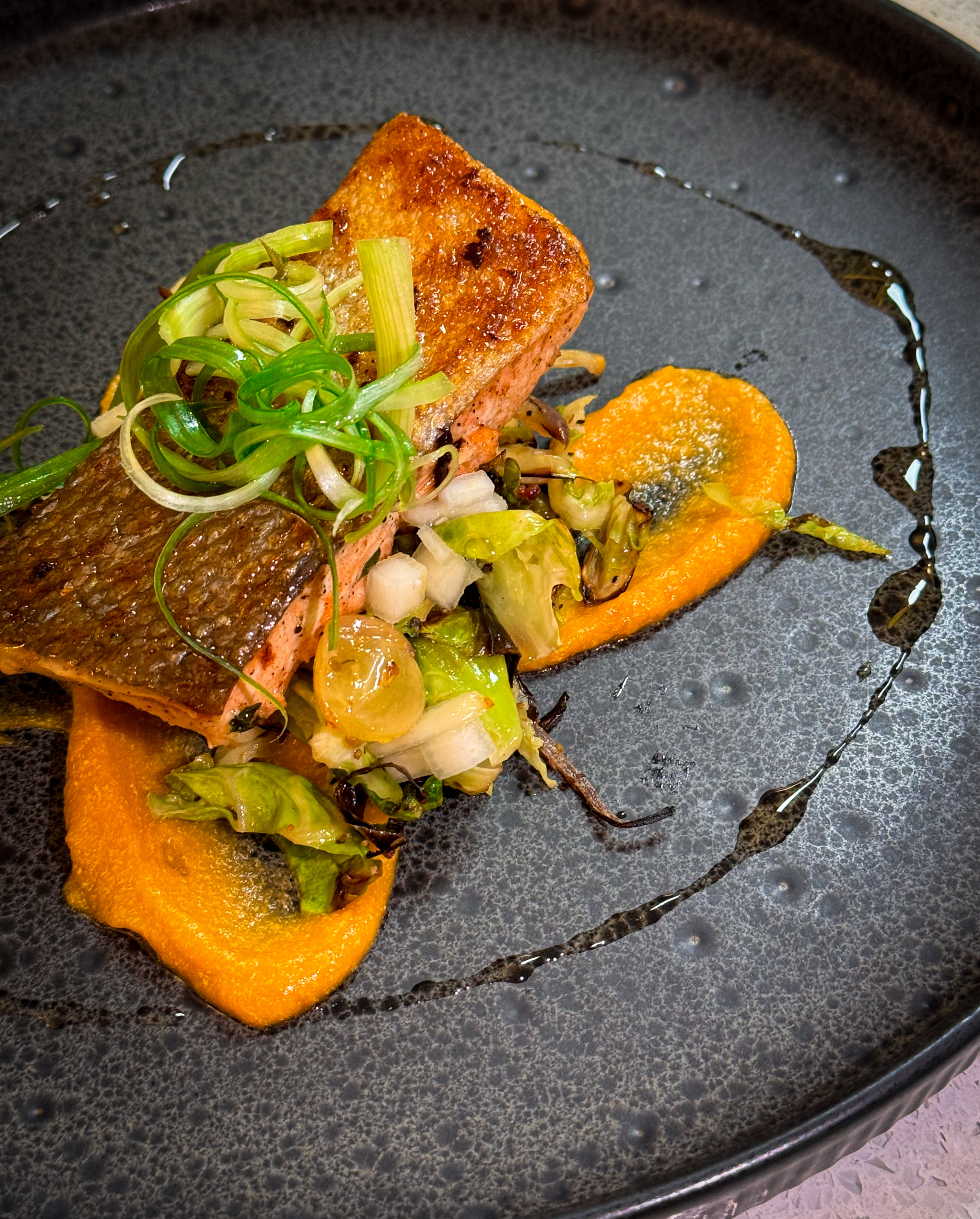
The fish speaks for itself. The visual difference is immediately apparent, and the flavor only reinforces that story. I've lost count of how many times I've watched someone completely change their opinion of salmon after experiencing truly exceptional, wild-caught fish. The contrast between the average grocery store salmon and a high-quality, responsibly sourced wild salmon is remarkable. Those moments are what I enjoy most—helping people discover that salmon can be so much more than what they've always known.
How has your trip to Cordova and to our fishery deepened your understanding of wild salmon?
The amount of knowledge I gained from my trip to Cordova and from meeting everyone involved in the life cycle of Copper River salmon gave me an even deeper appreciation for the people, the process, and the fish itself. It strengthened my respect for the work being done there and reinforced my commitment to supporting the fishing community and everything that makes the Copper River region so special.
What left the biggest impression on me was seeing how the entire region comes together as one community. From the fishermen and processors to the families and local businesses, everyone is connected by a shared purpose and an unwavering commitment to preserving a way of life. Witnessing that level of collaboration, pride, and resilience was truly inspiring and something I'll carry with me long after the trip.
How do you source your salmon and what factors do you consider when selecting a supplier?
Just like any ingredient I source, I take the same approach with salmon. I start by looking at the region it's coming from, the species, and the season. Those factors ultimately determine the quality of the fish. When you prioritize sourcing in that way, you're not just buying salmon—you're selecting a product that's at its absolute best, and that translates directly to the experience you create for your guests.
Can you describe the importance of understanding the sustainability practices and origins of the food you prepare?
Absolutely. For me, understanding the sustainability practices and origins of the food I prepare is essential because it directly impacts the quality of the product, the health of the ecosystem, and the long-term viability of the communities that produce it. As chefs, we have a responsibility that goes beyond simply creating a delicious dish—we are part of a much larger food system.
When I know where an ingredient comes from, how it was raised, harvested, or caught, and whether it was produced responsibly, I can make better decisions for both my guests and the environment. With seafood in particular, understanding the fishery, the species, the season, and the harvesting practices helps ensure that I'm serving a product that is not only exceptional in flavor, but also sourced in a way that protects the resource for future generations.
My recent experience in the Copper River region reinforced this for me. Seeing firsthand the people involved in every step of the salmon's journey—from the fishermen to the processors to the local community—made it clear that sustainability is not just a label; it's about preserving a way of life and maintaining the health of the ecosystem that supports it.
Ultimately, understanding sustainability and origin allows me to tell a more authentic story on the plate, educate guests about the food they're eating, and support producers who are doing things the right way. I believe that knowledge is what turns cooking from simply preparing food into truly responsible hospitality.
Any last thoughts or anything you'd like to add?
The only thing I can think of is saying thank you again for such a wonderful experience that I could never imagine I would have had the opportunity to participate in!
Thank you to Chef Derek Simcik for sharing his time and insights, and to the entire Cordova fishing community for welcoming us into their world.
‹ Back
Recent Posts
-
Copper River King Salmon Season Is Here
May 29, 2026
-
-
-
-
Meet Chef Derek Simcik
January 30, 2026