

By using our website, you agree to the use of cookies as described in our Cookie Policy
Meet Chef Bryant Kryck
From Plate to the Source and Back: Chef Bryant Kryck’s Immersive Journey into the Copper River Salmon Fishery
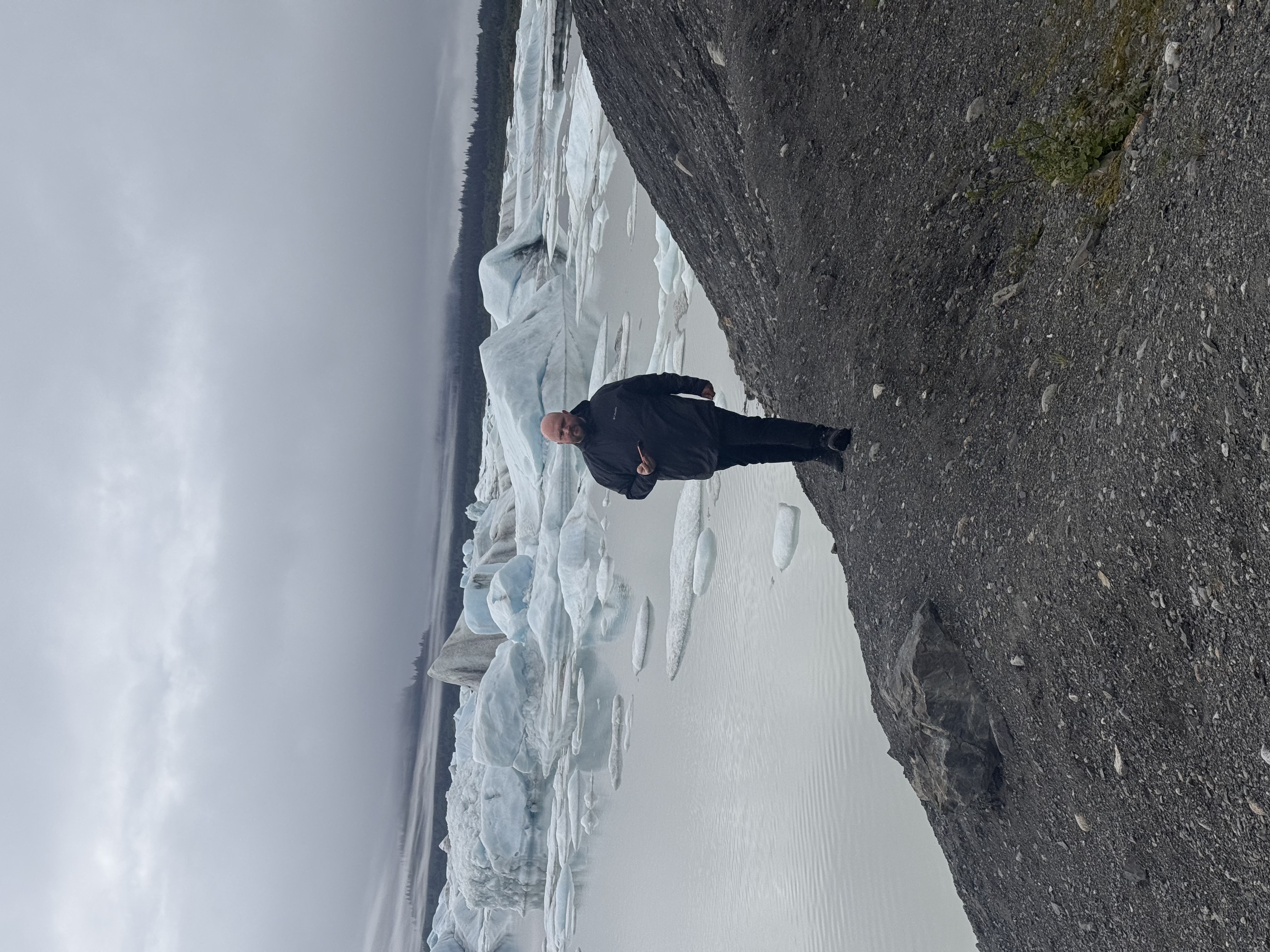
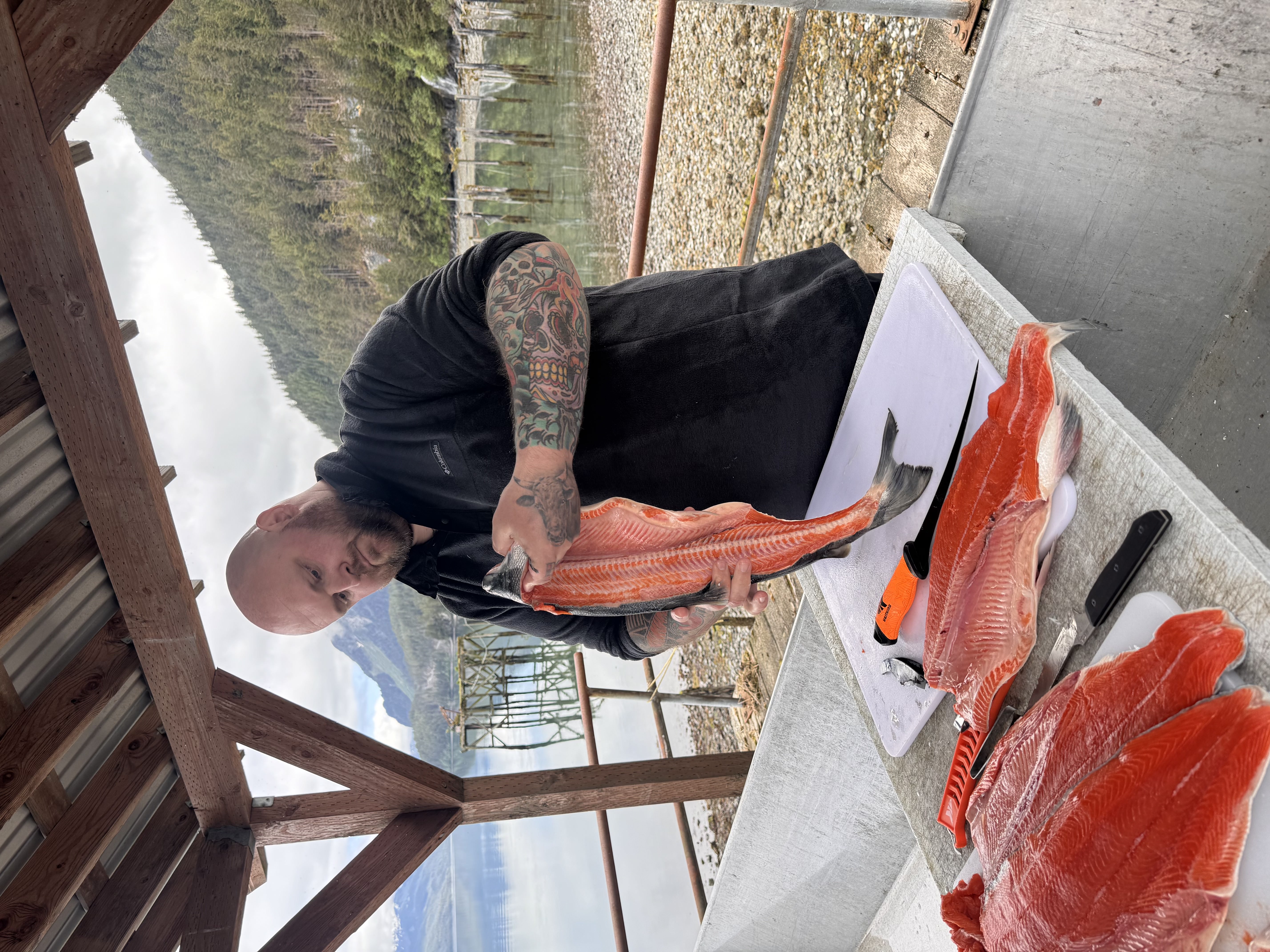
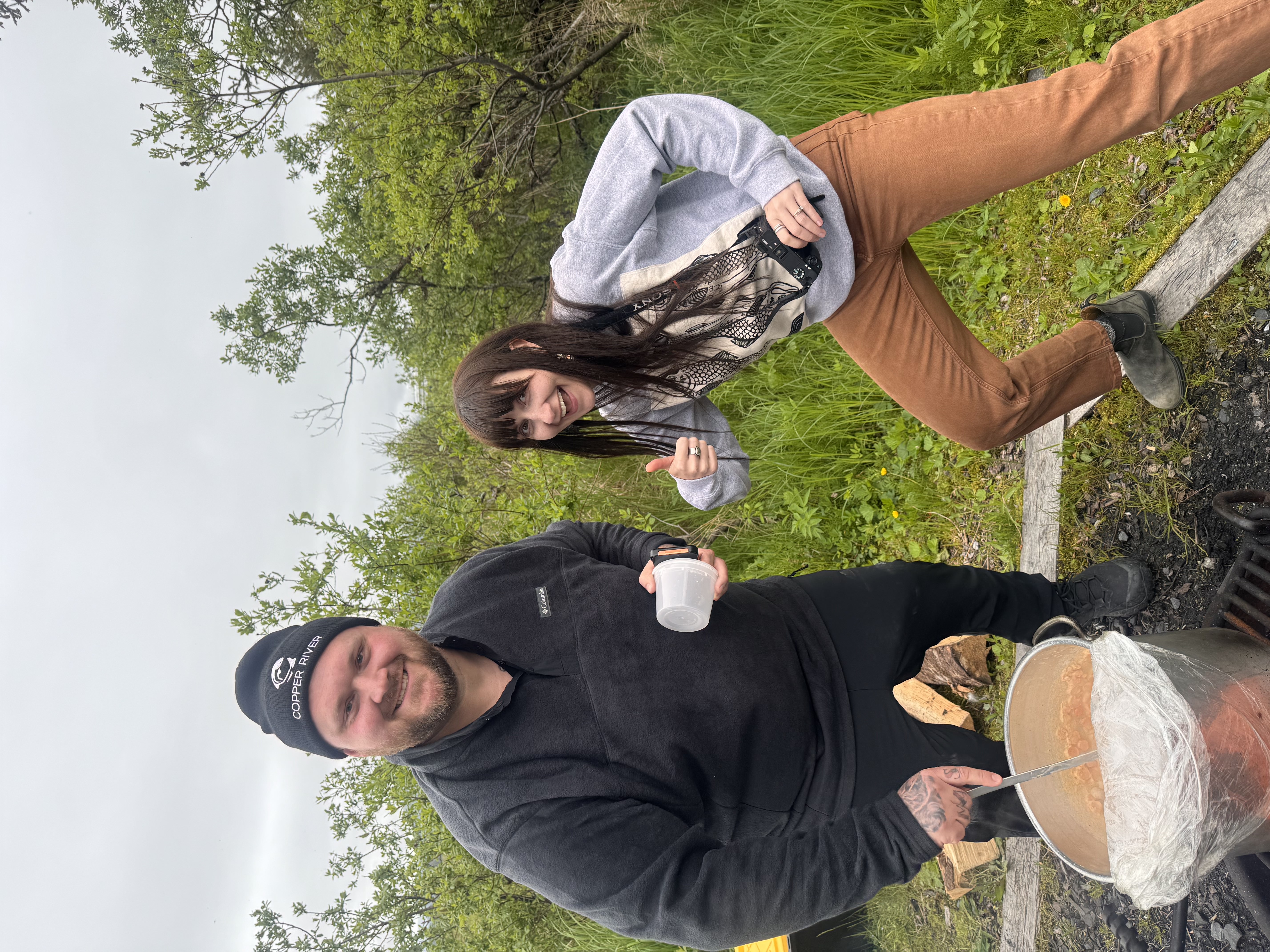
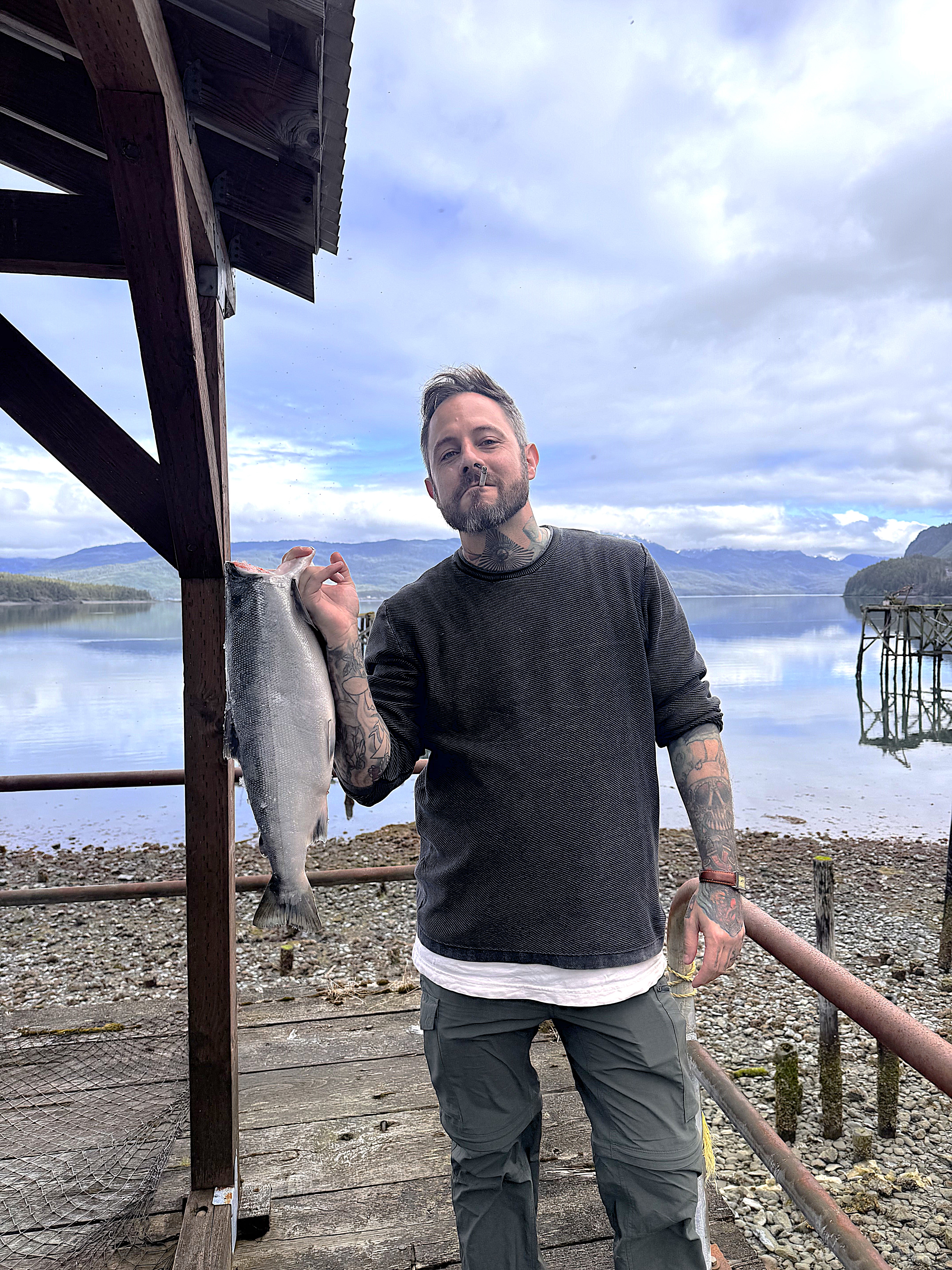
Chef Bryant Kryck has cooked a lot of salmon in his life. Growing up in the Pacific Northwest, it was always on his table whether grilled, smoked or seared. He even has a salmon tattooed on his arm. But cooking salmon and knowing where it actually comes from are two different things. Kryck is the Executive Chef at ROAM in Bend, Oregon. He’s been on Food Network, has ran kitchens across the country, and spent years in the military before that. Though he knows his way around the kitchen, knowing fishermen is a whole other story, one we wanted to share with him. So he came to Cordova for five days to find out what it looks like inside the life of a small, coastal Alaska fishing town.
Seeing the Work Up-Close
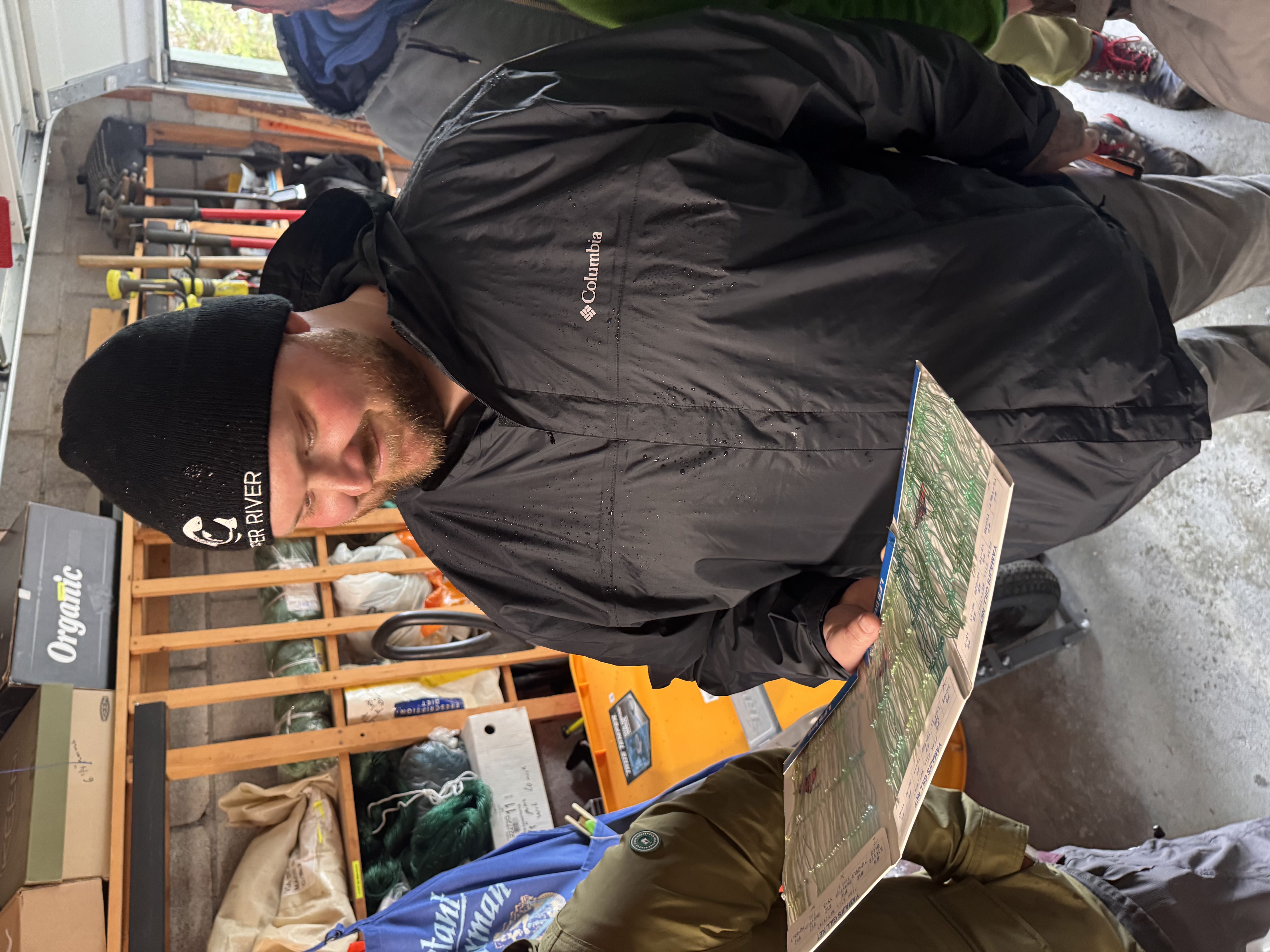
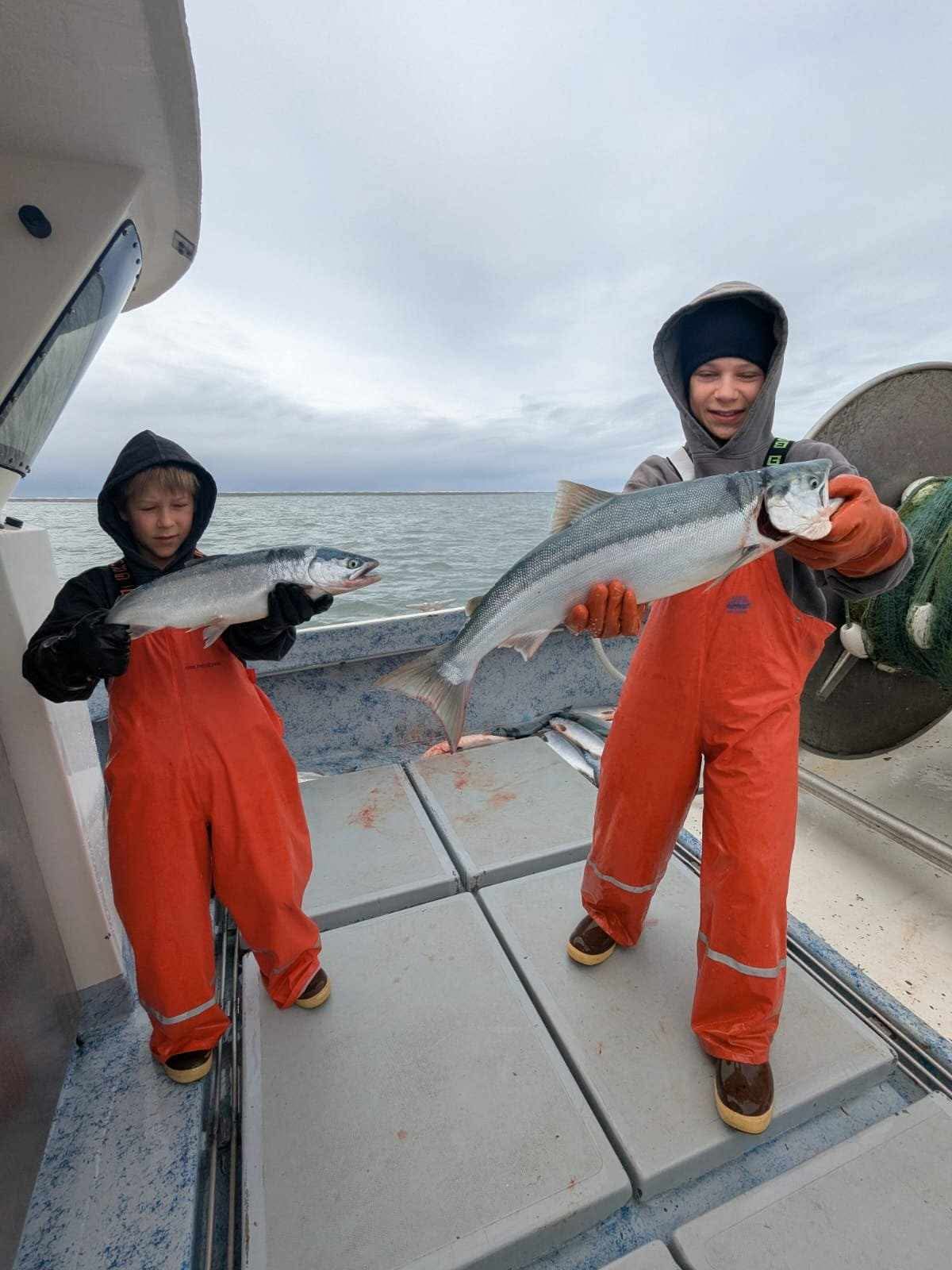
Before this trip, Chef Kryck appreciated wild salmon for the taste. He knew it was something he valued, but he didn't know all the minute details that it takes get that fish from the net to the dock to the plate. Then he met the fishing families, saw the boats leave before sunrise, heard the stories—the good seasons, the bad ones, the sacrifices that come with this life. "It was inspiring to see an industry where sustainability isn't just a marketing term—it's a way of life." Around here, sustainability isn't something you print on a package. It's the reason you stop fishing when the run is low. It's the reason you go out in bad weather because the window is short. It's the reason families have been doing this for decades and will for generations to come.
Buying Direct
Chef Kryck admits he hadn't spent much time thinking about where his salmon came from beyond the distributor's truck. That changed in Cordova. Seeing how direct purchasing works and how it benefits both the fishermen and chefs opened his eyes. For him, choosing a supplier reaches further than knowing price or consistency. It is also about knowing the person who caught the fish. It's about knowing how it was handled and knowing that the people doing the hard work are appreciated. When a chef buys directly from a fisherman, both sides win. The fisherman gets a fair price and the chef gets a story to tell.
Telling The Story
Many chefs believe that the job that goes beyond plating. Chef Kryck believes in storytelling through food. Chefs who share the story behind wild salmon give guests a good meal and an appreciation for its true value. When guests understand the fisherman's risk, the care in handling the fish, and the science sustaining the run, they gain a deeper appreciation for what's on their plate.
Bringing It Back To ROAM
In July, Chef Kryck hosted a Copper River salmon dinner at ROAM. The menu featured four courses, including two Copper River salmon dishes, paired with wines from Laurel Glen Vineyard. JJ, our Program Director, attended as a brand ambassador, connecting with guests and sharing more about the fishery and our work.
Kryck talked with diners between each course and gave his experience on visiting Cordova, the people and the work behind our fishery. The dinner also raised money for KIDS Center, supporting children and families in Central Oregon.
Chef Bryant Kryck on Salmon, Sourcing, and Sustainability
What Is Your Relationship With Salmon?
As someone who was born and raised in the Pacific Northwest, salmon has always been part of my life. It's more than just an ingredient—it's part of our culture, our history, and our identity. I've spent countless days cooking and enjoying salmon with family and friends.
My connection runs so deep that I even have a salmon tattooed on my arm. To me, salmon represents resilience, tradition, and the incredible natural resources we have here in the Northwest.
How Has Your Trip to Cordova And To Our Fishery Deepened Your Understanding of Wild Salmon?
Before visiting Cordova, I appreciated wild salmon for its incredible flavor and quality, but I didn't fully understand everything that goes into bringing that fish from the water to the plate. Meeting the fishing families, hearing their stories, and seeing firsthand the passion, sacrifice, and investment required to sustain this way of life completely changed my perspective.
I gained a much greater appreciation for the regulations, the science behind the fishery, and the commitment everyone has to protecting salmon for future generations. It was inspiring to see an industry where sustainability isn't just a marketing term—it's a way of life. The experience reminded me that every fish has a story, and that story deserves to be shared.
How Do You Source Your Salmon And What Factors Do You Consider When Selecting A Supplier?
One of the biggest takeaways from my trip was realizing how valuable it is to build relationships directly with fishermen and the people harvesting our food. Before visiting Cordova, I honestly never spent much time exploring direct purchasing opportunities.
Seeing how approachable that process can be—and how it benefits both the fishermen and chefs—has made me much more interested in sourcing that way whenever possible. When selecting a supplier, I look for quality, consistency, reliability, and transparency. I want to know where the fish came from, how it was handled, and that the people catching it are being supported fairly. Those relationships matter just as much as the product itself.
Can You Describe The Importance Of Understanding The Sustainability Practices And Origins Of The Food You Prepare?
I believe chefs have a responsibility that goes far beyond cooking great food. We are storytellers.
Before the pandemic, it felt like more guests were interested in where their food came from and the people behind it. I think we lost some of that connection over the past few years, but I'm seeing it return. Guests are asking more questions, they want authenticity, and they want to understand why a product is special. It's our job as chefs to help reconnect people with their food.
When we share the story of the fishermen, the families, the sustainability practices, and the incredible care that goes into harvesting wild salmon, guests don't just enjoy a meal—they appreciate its true value. They understand what they're paying for and why it matters.
Any Last Thoughts Or Anything You'd Like To Add?
Cordova reminded me why I became a chef in the first place. Great food starts with great people, and every ingredient has a story worth telling.
I left with a renewed respect for the fishermen and their families, for the science and stewardship that protect these fisheries, and for the community that has dedicated itself to preserving this incredible resource.
As chefs, we have an opportunity—and I would argue an obligation—to honor that work. The best meal isn't just about perfect execution on the plate; it's about connecting our guests to the people and places that made that meal possible. If we continue telling those stories, I believe we can help people rediscover their appreciation for truly sustainable, responsibly harvested food.
To learn more about Copper River salmon and the fishermen who bring it to your table, follow our blog for more stories from the source.
‹ Back
Recent Posts
-
Meet Chef Damian Puente
September 29, 2026
-
Meet Chef Bryant Kryck
September 9, 2026
-
Meet Chef Derek Simcik
August 20, 2026
-
Copper River King Salmon Season Is Here
May 29, 2026
-