

By using our website, you agree to the use of cookies as described in our Cookie Policy
Meet Chef Damian Puente
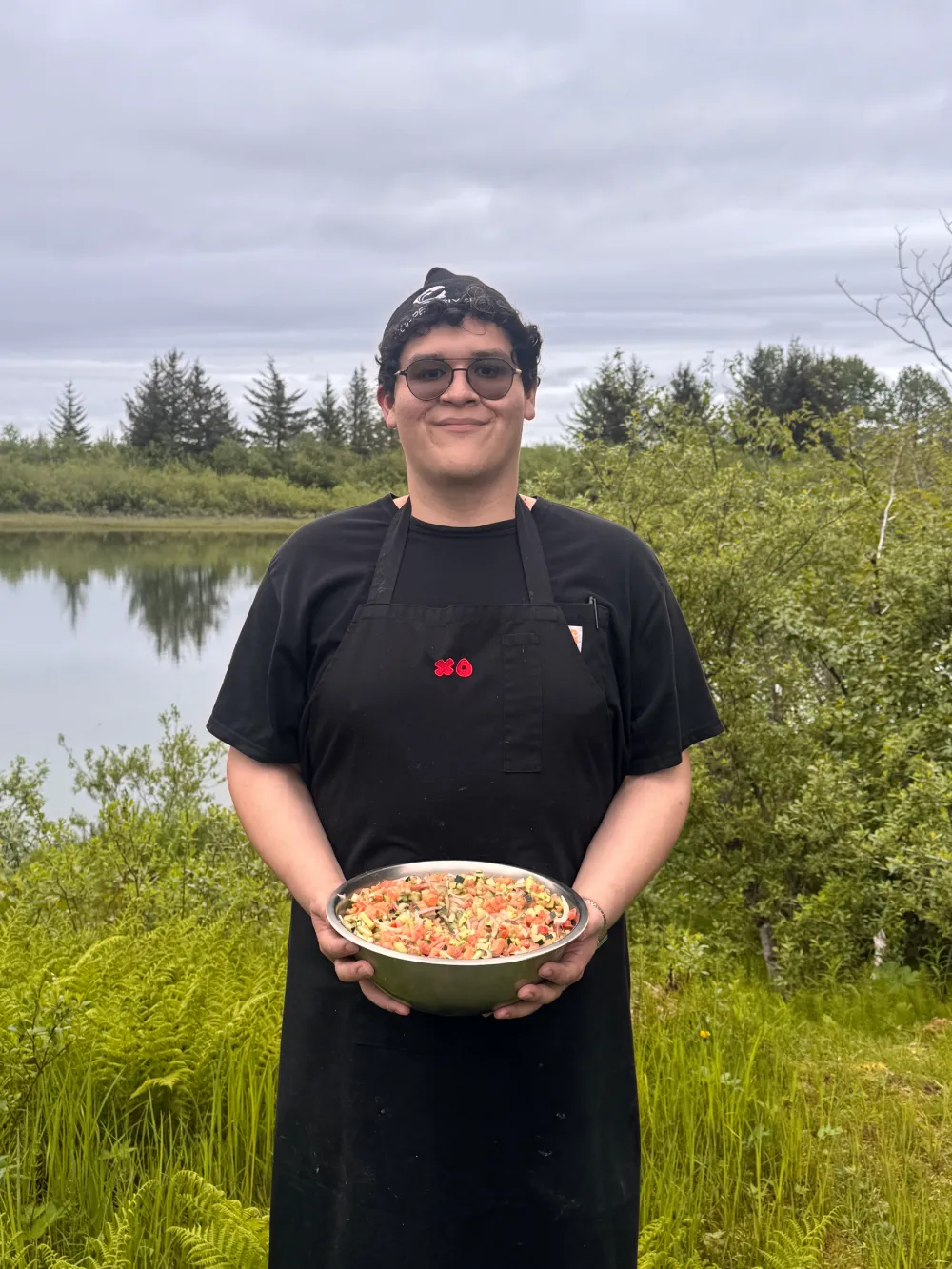
Crafting a Season in Cordova: Chef Damian Puente and His Salmon Camp Experience
When Damian Puente arrived in Cordova earlier this year, he told us he wasn't necessarily chasing a career in Alaska's salmon industry. He wasn't drawn here by the promise of commercial fishing fortunes or the allure of life on the water. He was simply answering a job posting from the Copper River Brewing, ready to trade the heat of a bustling Texan kitchen for the crisp, salt-tinged air of a small coastal town. It was, by all accounts, a straightforward decision—a summer gig in a place he'd heard was beautiful, a chance to flex his culinary muscles in a new environment, and an opportunity to see a part of Alaska that most tourists never get to see.
What he found when he arrived, however, was something far richer than a seasonal job.
Cordova is not a place that lets you stay on the sidelines for long. Nestled at the head of Orca Inlet, surrounded by the jagged peaks of the Chugach Mountains and the sprawling wetlands of the Copper River Delta, this is a community defined by its relationship with the water. Here, the salmon run is the heartbeat of the town. The fishing season dictates the rhythm of daily life, shaping everything from the economy to the conversations at the local coffee shops and restaurants. For someone like Damian, a chef with a passion for local ingredients and a curiosity about where his food comes from, Cordova was a great place to land.
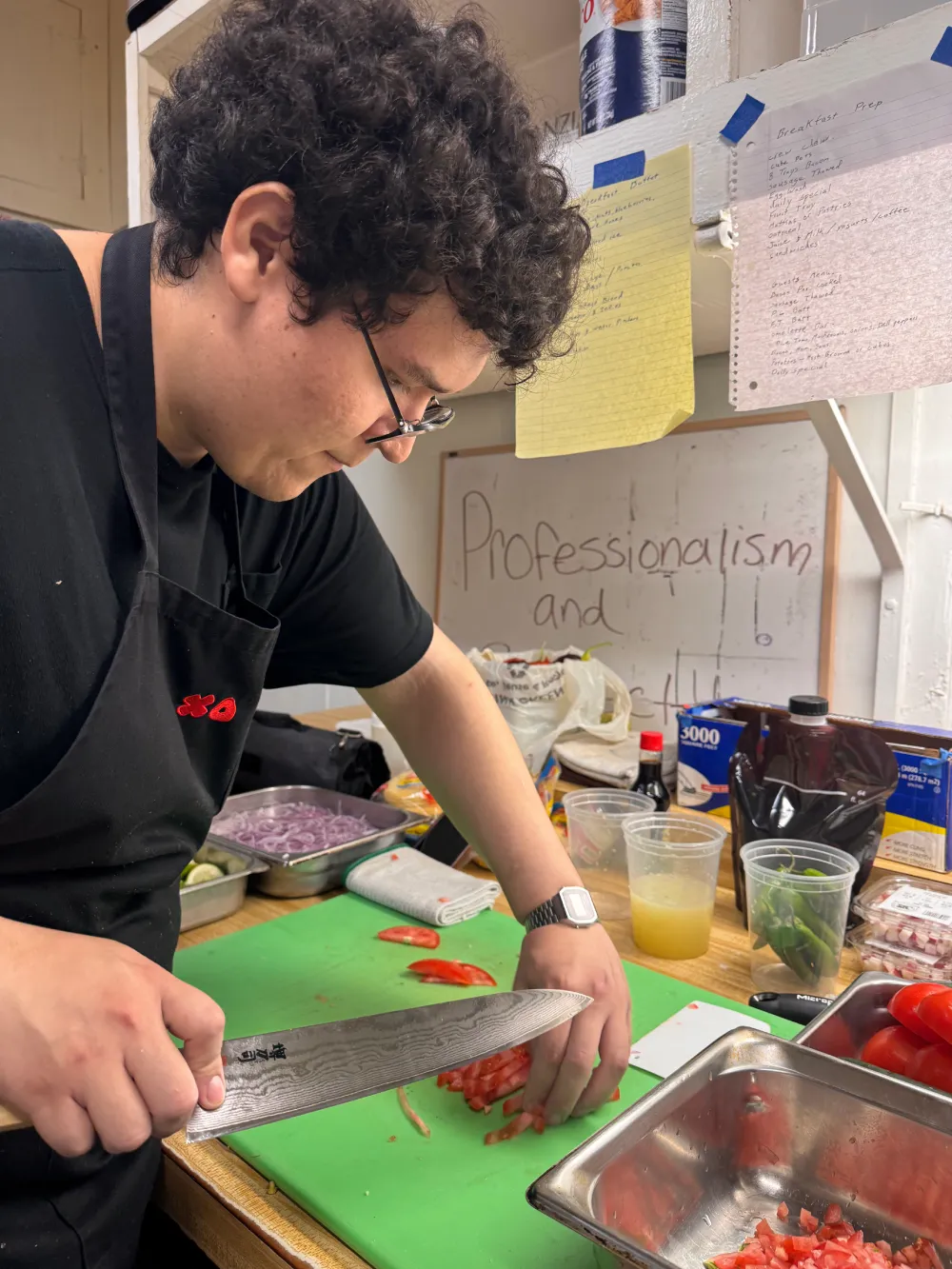
It didn't take long for him to realize that staying in one lane would mean missing out on the very thing that makes Cordova special. So he didn't. Damian began working private dinners around town, bringing his culinary style to the tables of locals and visitors alike. He got involved with community events, lending his skills and his energy to gatherings that celebrated the town's unique culture. He embraced the opportunities that come with being part of a small fishing community—opportunities to learn, to connect, and to contribute.
That spirit of immersion is what eventually led him to the Copper River & Prince William Sound's Summer Salmon Camp, where we bring together chefs, educators, and seafood professionals from across the country to experience the Copper River salmon fishery firsthand. The camp is designed to immerse participants in every aspect of the industry—from the boats and the nets to the processing plants and the dinner tables. It's a chance to see the fishery up close, to understand the hard work and dedication behind every fillet, and to build lasting connections with the people who make it all possible.
For Damian, it was a natural fit. A chef who had already thrown himself into the life of the town was now getting a front-row seat to the very resource that sustains it. We sat down with him to talk about his summer in Cordova, his time at Salmon Camp, and what he took away from the experience.
What is your relationship with salmon?
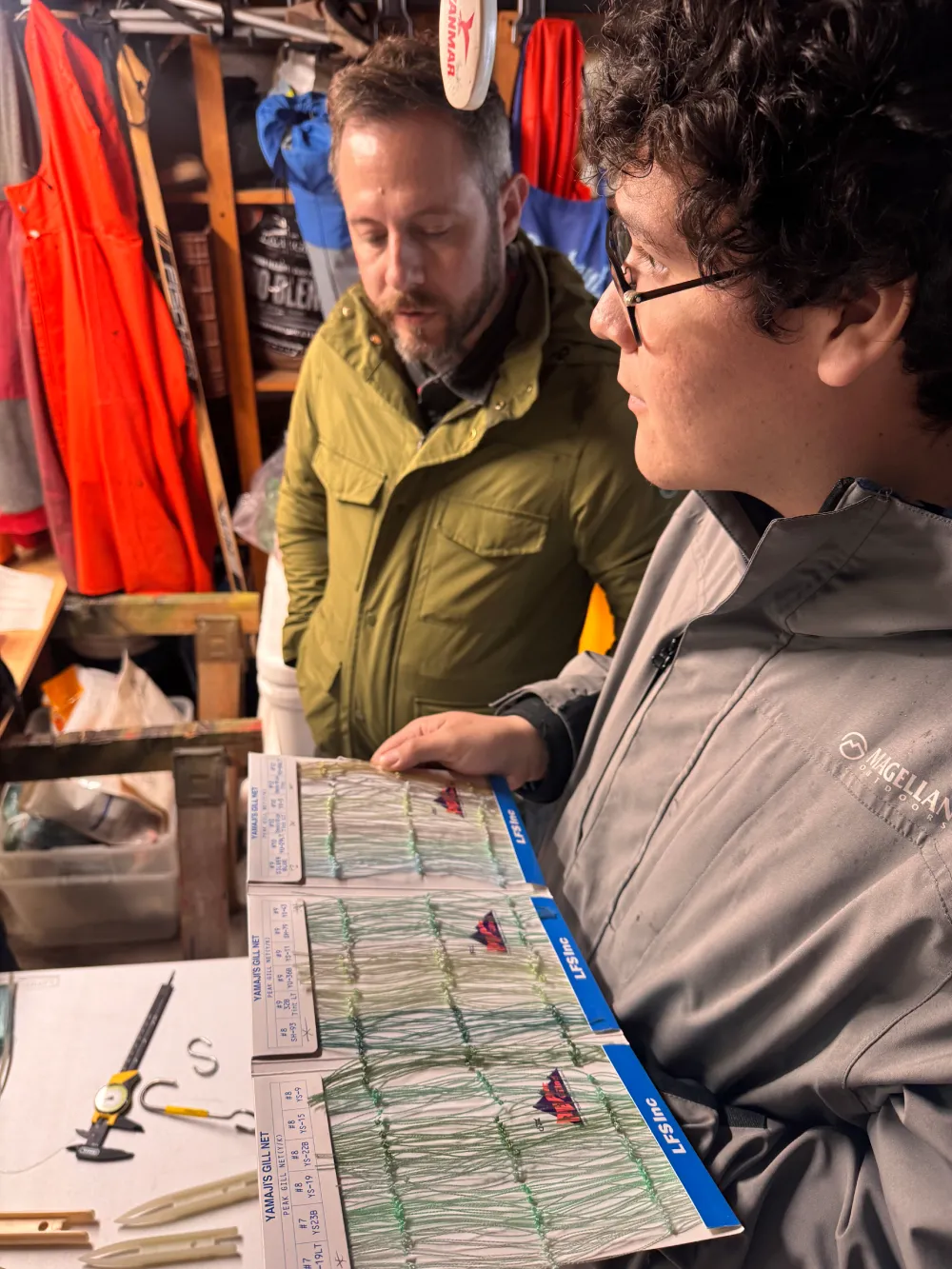
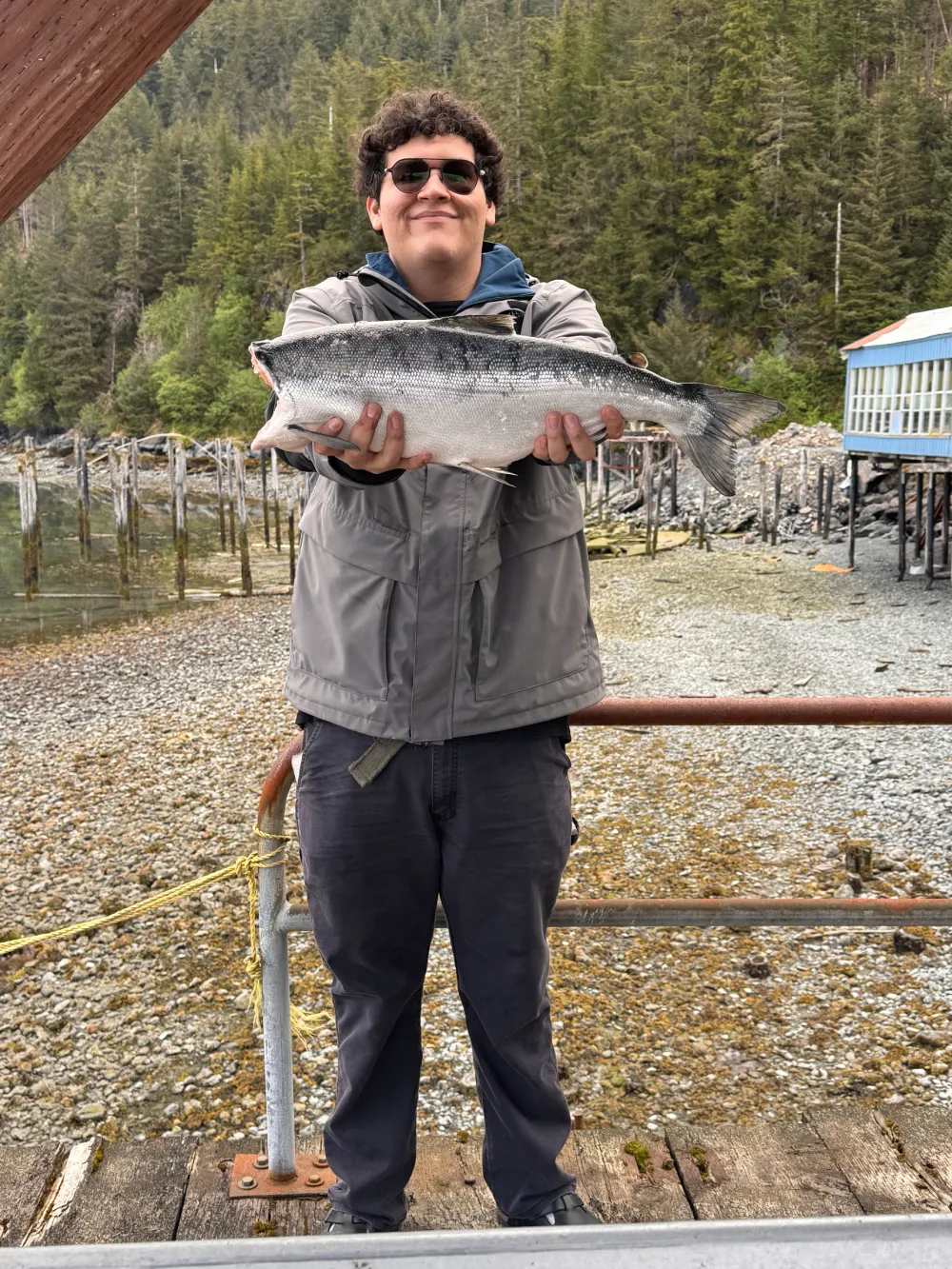
Before coming to Cordova, salmon was mostly just an ingredient to me. I knew how to cook it, cure it, serve it raw, and use it in different dishes, and I thought i knew the background behind it, but I was wrong. Being here has made it feel a lot more personal. Now when I cook salmon, I think about where it came from, who caught it, and all the work that happened before it ever reached the kitchen.
How has your trip to Cordova and to our fishery deepened your understanding of wild salmon?
It showed me how connected the salmon is to this place. Seeing the boats, the fishermen, the processing, and the fishery itself made me realize how much depends on timing, weather, the runs, and the health of the environment. I think as chefs, we can get used to ingredients just showing up at the restaurant without actually thinking of where it came first, so it was important for me to actually see the whole process and understand how much work goes into it.
How do you source your salmon and what factors do you consider when selecting a supplier?
I look for wild salmon that has been handled well and that I can trace back to where it came from. Freshness and quality are obviously important, but I also care about how it was caught, how it was processed, and whether the supplier is honest about the product. I would rather buy from someone who has a real connection to the fishery and the salmon than just choose whatever is cheapest. You truly get what you paid for!
Can you describe the importance of understanding the sustainability practices and origins of the food you prepare?
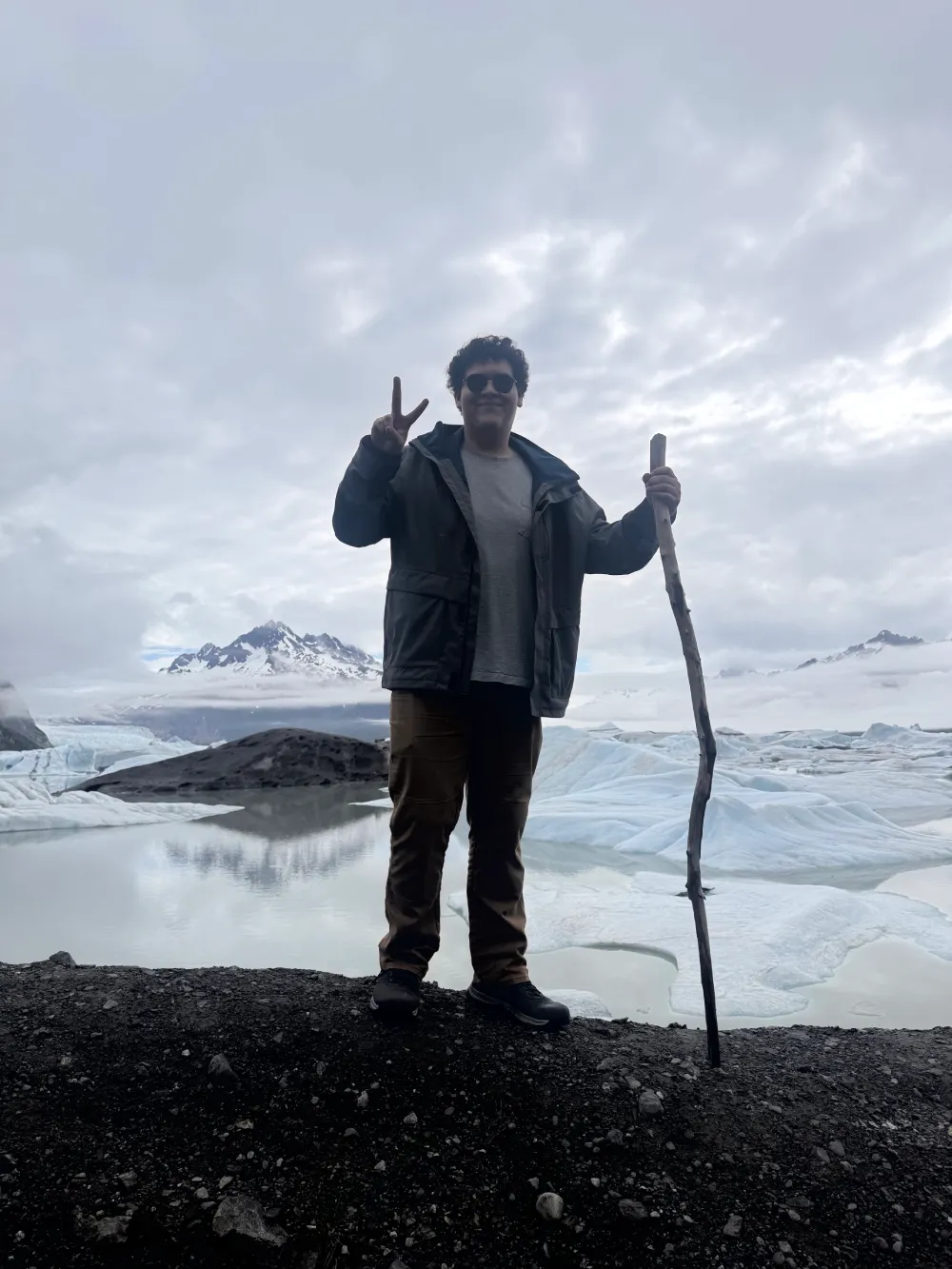
I think it is important because every ingredient has a story behind it, and as chefs we should know what we are serving. Sustainability has became a word that everyone just slaps on the menu, but no one knows the reason why it's there. I can confidently say that sustainability affects the fishermen, the community, the environment, and whether that ingredient will still be available in the future. Knowing where food comes from also makes you respect it more and waste less of it.
Any last thoughts or anything you'd like to add?
Coming to Cordova truly has changed the way I look at salmon. I came here thinking mostly just about about cooking, but then I left with a much better understanding of the people and the effort it takes to put that ingredient on the table. I am really grateful I got to experience the fishery firsthand, and I know it is something I will carry with me throughout my career.
Thank you to Chef Damian Puente for sharing his time and insights, and to the entire Cordova fishing community for welcoming us into their world.
‹ Back
Recent Posts
-
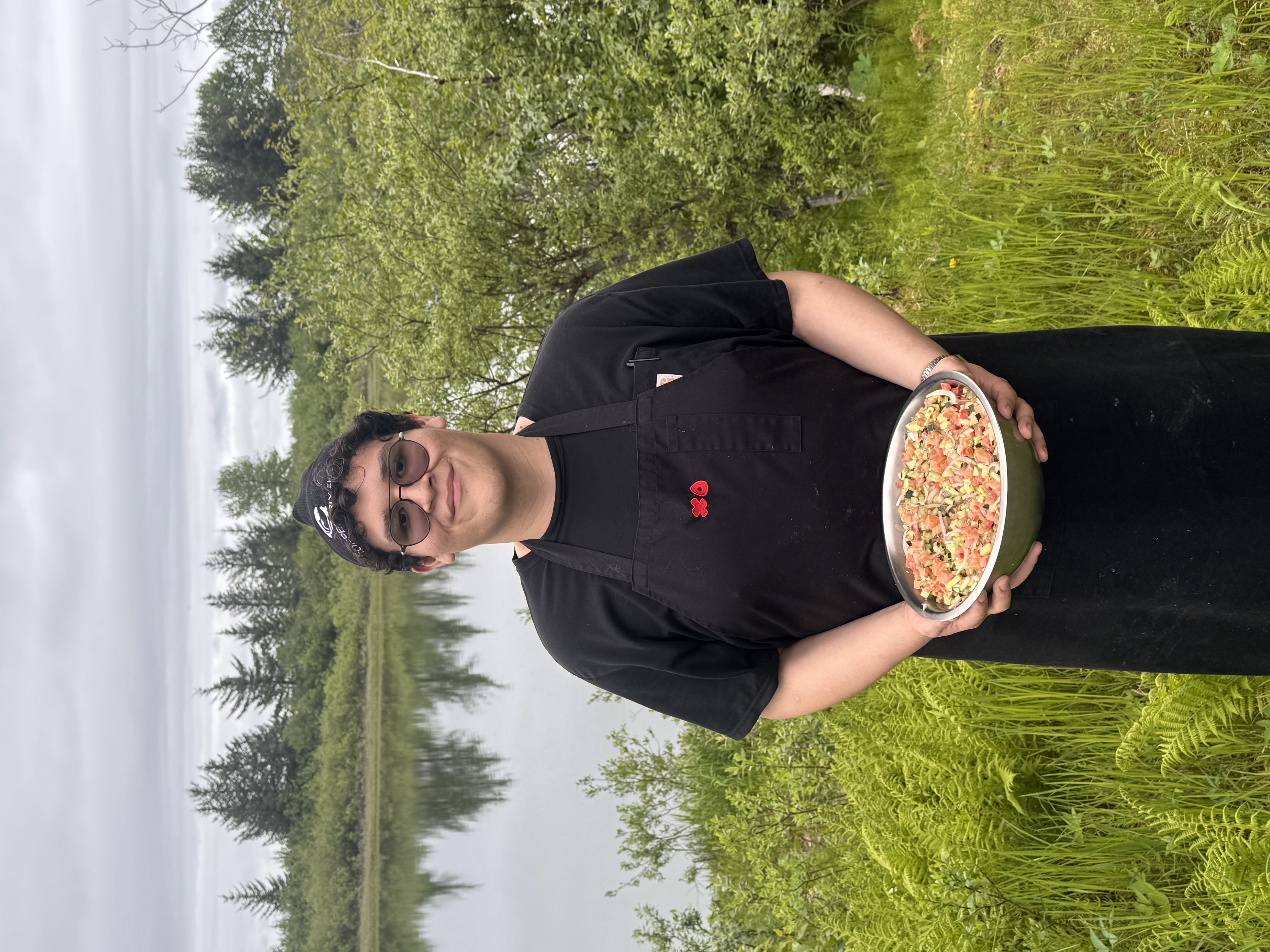
Meet Chef Damian Puente
September 29, 2026
-
Meet Chef Bryant Kryck
September 9, 2026
-
Meet Chef Derek Simcik
August 20, 2026
-
Copper River King Salmon Season Is Here
May 29, 2026
-